Motion Detector Installation Basics
Motion detection devices are a crucial component of any security system, commercial or residential. They allow owners to cover a relatively large amount of space with a small number of devices. Motion detectors also are known to detect activity that window sensors might miss. When it comes time to install motion detection devices, remember these tips to stay ahead of any potential intruders.
How motion detectors work
Motion detectors use various methods to detect motion and protect your environment. A few popular commercial and residential security systems options include passive infrared, microwave, and dual sensors.
A passive infrared sensor (PIR) collects infrared light and ambient temperature to detect motion. A microwave sensor actively uses microwaves to determine the room’s reflection rate and alert you when that rate changes. Dual sensors use a combination of PIR and microwave technology to verify potential motion between the two systems before issuing an alert. These are only a few types of motion detectors, so you have many other effective options to implement in your security system.
Efficiency
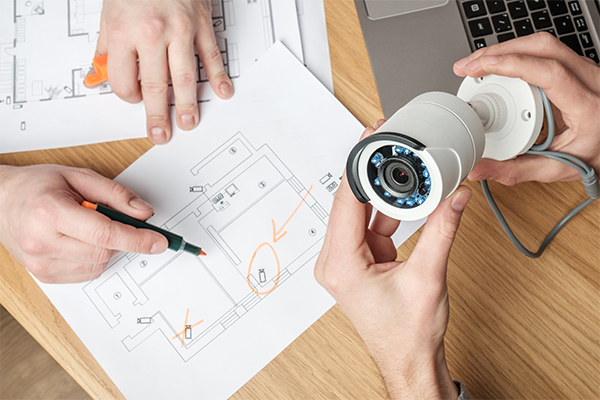
One of the main strengths of motion detection devices is their ability to cover maximum square footage efficiently. Remember to focus on high-traffic areas or central locations when installing motion detectors in your house or business. Areas like hallways and staircases should have ample coverage to catch intruders as they move from room to room. Be sure to also have plenty of coverage in rooms with big-ticket items like TVs, gaming consoles, and other personal valuables.
Room coverage
When choosing the perfect location for your motion detector, pick a spot that covers your room the most effectively and efficiently. Our rule of thumb is to place the motion detector in the corner of the room facing the entrance. This location focuses the sensor on the potential action area and helps reduce or eliminate spots out of range.
Ideally, a motion detector would be mounted around six to eight feet above the ground. This height allows for it to be triggered by anyone walking in range. Remember that different motion detectors have varying range specifications, so make sure to review your detector’s specifications.
Avoiding false alarms
While a “false alarm” is perceived as bad, it often means your security system is working too well and being triggered outside of an emergency. This issue can often be alleviated by recalibrating the system or rethinking sensor placement.
Many motion detectors rely on heat-sensing technology to trip their alarm. Pets, bursts of sunlight, and curtains or plants blowing from fans can be enough to activate a motion detector. Keep that in mind when determining the perfect location for your device. For customers seeking additional solutions for environments with animals, pet-immune motion detectors are available in various makes and models. Some models support highly personalized settings, so we recommend thoroughly researching your options.
Mapping out the ideal setup for your motion detection devices will help them protect your home or business at peak performance. On the other hand, haphazardly installing them can lead to debilitating performance issues and frequent false alarms. By partnering with FSS Technologies, our customers entrust their property to a group of certified security professionals while also receiving the personalized services of a small, family-owned business.
Explore Our Other Blogs

Fire Systems for the Restaurant Industry
Companies in varying industries face fire hazards in their standard operations to a certain degree. Businesses that operate commercial kitchens, however, are at significant risk for fire-related hazards because cooking equipment is a leading cause of commercial fires. According to the U.S. Fire Administration, an estimated 50% of non-residential fires were caused by cooking in…

Motion Detector Installation Basics
Motion detection devices are a crucial component of any security system, commercial or residential. They allow owners to cover a relatively large amount of space with a small number of devices. Motion detectors also are known to detect activity that window sensors might miss. When it comes time to install motion detection devices, remember these…
What to Do If a Package Is Stolen
According to a recent study, nearly one in four people report being a victim of package theft and nearly half know someone who has had a package stolen. Of course, the uptick in package theft is not that surprising, considering consumers purchased $2.86 trillion in online retail goods in& 2018. Many of these items land squarely in…
7 NFPA Codes Every Business Should Know
Business owners have an enormous responsibility to ensure their employees and customers are protected from fire hazards. Companies in industries like manufacturing and property management each face unique challenges in preventing fires and meeting code requirements. The National Fire Protection Association (NFPA), one of the world’s leading experts in fire and life safety, has published…

Renter’s Insurance Discounts and Security Systems
Home invasions or burglaries are a threat to any household, regardless of where they are located. One of the biggest deterrents for burglars is a home security system that could record evidence of their actions or could notify the authorities at the time of a break-in. This is a huge motivator for homeowners when deciding…

Why Fire Alarm Monitoring is Essential for Your Business
We’ve talked about the National Fire Protection Association (NFPA) in previous blogs and how it is essential to understand and obey their standards when installing, testing, and maintaining fire alarm systems. Fire Alarm Monitoring is the Law Your business might need to include monitoring as part of its fire safety system due to NFPA 101® . NFPA…
Business Security Camera Placement Guide
Security camera placement in a business needs to be strategically decided based on several important factors. Areas that store valuables, have high foot traffic, and enable access to your building should be some of the essential locations. Learn more about what kinds of security cameras you can use and where they should be installed in…
The Only SimpliSafe Review You Need to Read
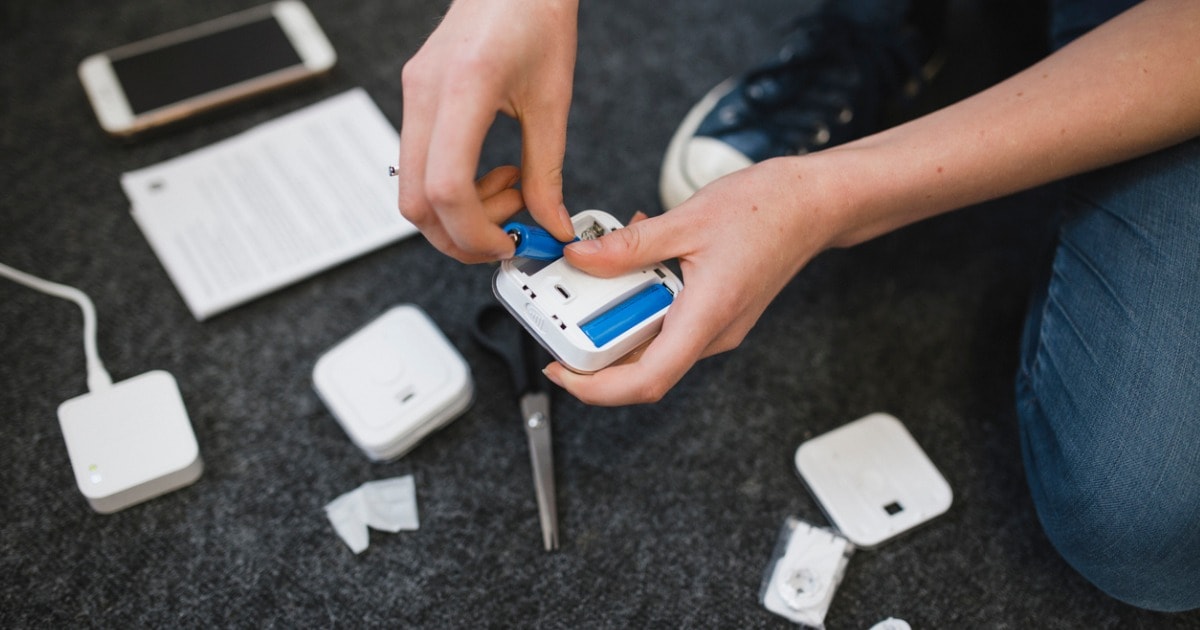
What is SimpliSafe? SimpliSafe is one of several do-it-yourself home security systems on the market. The challenge with any DIY home security system, in our opinion, comes down to the customer experience. SimpliSafe’s customer support offers minimal assistance to ensure you adequately install and troubleshoot your system. While they do provide an 800-telephone number, the…
How Fast Can Fire Spread?
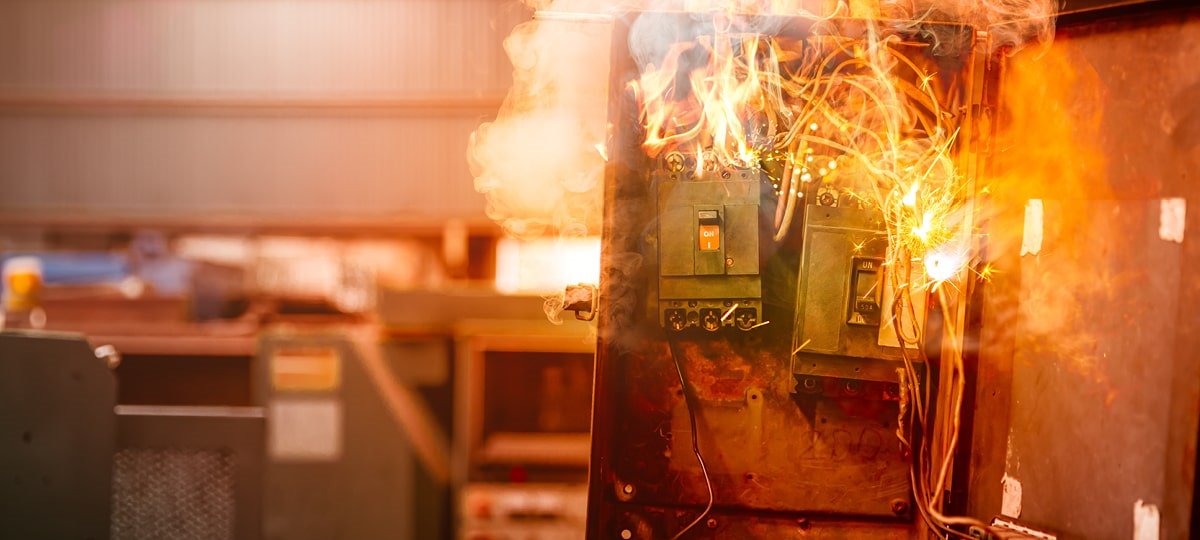
What Is Fire? Fire is the result of a chemical reaction called oxidation. Oxidation is the combination of oxygen with another substance. In the case of a fire, the oxidation happens so quickly that light, heat, and sound are released. A fire needs oxygen, heat and fuel to burn. These factors are frequently referred to…
What Are the 5 Classes of Fires?
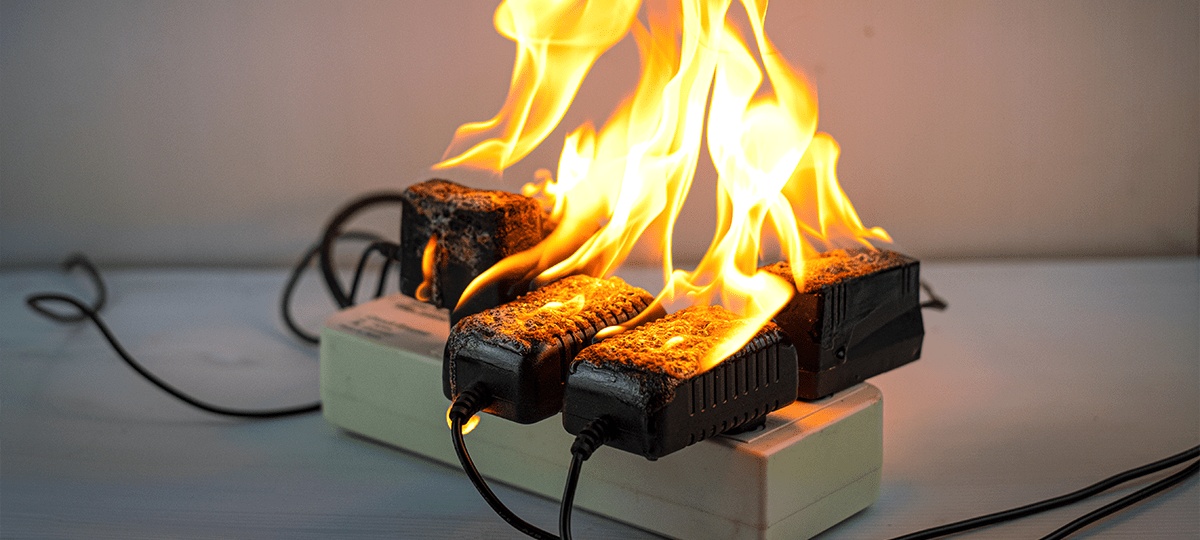
While it can be hard to tell the difference at first glance, different types of fires occur based on the materials that fuel them. Just as you wouldn’t try to put out a grease fire with water, specific ways to extinguish each fire class exist and depend on what sustains it. Some atypical classes of…