What Are the 5 Classes of Fires?
While it can be hard to tell the difference at first glance, different types of fires occur based on the materials that fuel them. Just as you wouldn’t try to put out a grease fire with water, specific ways to extinguish each fire class exist and depend on what sustains it. Some atypical classes of fires are more common in commercial settings, and it’s critical to know each class to accurately identify fires and then use the appropriate fire extinguishers.
The National Fire Protection Association (NFPA) has guidelines for what each fire class includes and identifies what fire extinguishers can be used to put out each class. Here are the NFPA’s different fire classes and each type’s corresponding fire extinguisher.
What is a Class A fire?
A Class A fire occurs with ordinary combustible materials that you’d find in a typical business or residence. Of the five types of fires, these are the most common type and occur more frequently. Because these solids are usually abundant in any commercial or residential setting, they can create and sustain more intense fires that spread and worsen quickly.
Materials that fuel Class A fires include:
- Wood
- Cloth
- Paper
- Rubber
- Plastics
Because Class A fires often depend on more everyday solid materials, they are usually less complicated to extinguish. Water is a standard liquid used in Class A fire extinguishers, with the occasional additive of other chemicals. Foam, wet or dry chemicals, or clean agents are also used to extinguish Class A fires in environments that would suffer additional damage from water.
What is a Class B fire?
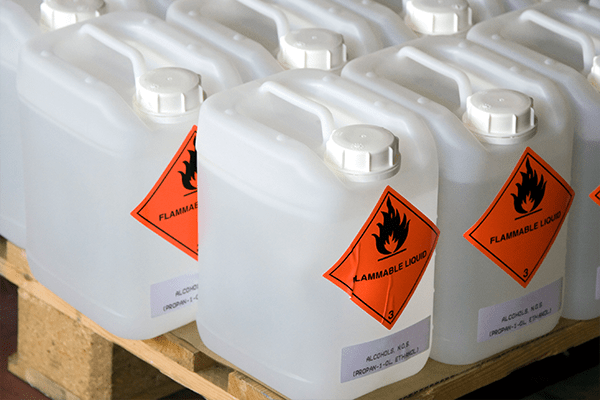
Class B fires rely on combustible and flammable liquids and gases. While they can occur in businesses and industrial settings that often work with these liquids, homes and other residential environments are also susceptible. A Class B fire can burn at most temperatures when exposed to a fire source because of its low flashpoint, and it often spreads quickly and produces thick black smoke.
Substances involved in Class B fires include:
- Alcohol
- Gasoline
- Oil
- Propane
- Paint
While water is commonly used to fight fires, water-based extinguishers may be ineffective against Class B fires. Fire extinguishers rated for a Class B fire often contain foam, clean agents like carbon dioxide, or dry chemicals.
What is a Class C fire?
A Class C fire fuels itself on electricity, usually from live energized electrical equipment and other electrical components. They are highly dangerous, especially when someone attempts to extinguish the fire with water. Class C fires often occur in industrial or commercial settings with lots of electrically powered equipment. Still, they can also happen in residences due to faulty wiring or other electrical issues.
Elements that can sustain a Class C fire include:
- Appliances
- Machinery
- Electric tools
- Wiring Motors
Due to electricity’s dangerous and conductive nature, Class C fires cannot be suppressed with water. Instead, a fire extinguisher with a non-conductive extinguishing agent, like dry chemicals or clean agents, must be used to douse an electrical fire while protecting whoever fights it from being electrocuted.
What is a Class D fire?
Class D fires depend on combustible metals for fuel, so they often occur in laboratories, industrial businesses, and manufacturing facilities. When these materials are handled in processes that result in dust, shavings, or flakes, that can lead to a fire starting and spreading when ignited.
Metals that can fuel a Class D fire include:
- Magnesium
- Sodium
- Lithium
- Aluminum
- Titanium
Water and other commonly used extinguishing agents are typically ineffective against Class D fires. Using water to extinguish the flames can make them more intense and dangerous. Instead, an extinguisher that contains dry powder chemicals must be used to subdue a Class D fire.
What is a Class K fire?
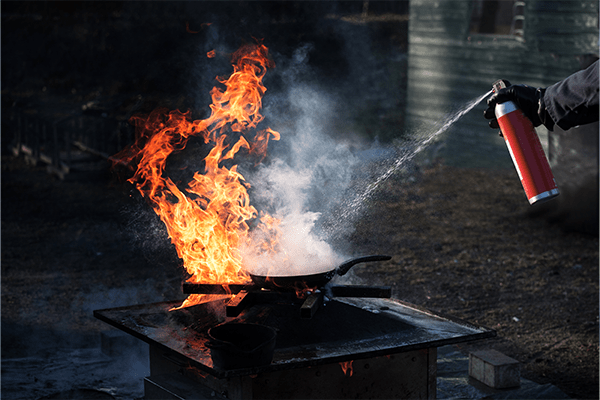
A Class K fire occurs when grease or cooking-related combustible materials ignite in a kitchen setting, so it’s common in restaurants or commercial-sized kitchens. While they’re more prevalent in commercial settings, Class K fires can happen in residences where grease or other combustible substances catch fire.
Cooking ingredients involved in a Class K fire include:
- Grease
- Oil
- Cooking fat
Because water can worsen them, Class K fires must be treated with wet chemicals to suppress and cool them. Class K fire extinguishers commonly use wet chemical agents that contain potassium or other alkaline mixtures to create a foamy layer that extinguishes fire.
Identifying which fire classes pose the greatest threat to your business is more challenging than it seems, and ensuring you’re equipped with the proper fire extinguishers for each class is another layer of difficulty that puts your employees and customers at risk. With FSS Technologies, you can rest assured knowing your business is prepared for the worst. Our FSS service technicians can assess your building’s fire ratings, develop a comprehensive plan for a fire alarm system, and implement the proper prevention, protection, and suppression elements. Contact us today to get started.
Explore Our Other Blogs

5 Reasons Why You Need a Home Security System
A home security system protects your home and the ones you love. While there are many reasons you may need to invest in a home security system, we have highlighted some key ones: 1. Peace of Mind Have you heard a noise in the night and ever wondered what made the noise? A home security…
Holiday Security Tips
It’s a beautiful time of the year, but the holidays come with some inherent risks that you should prepare for amidst all the gift buying, cooking, and decorating. Here are some of our top holiday safety tips to keep your home and loved ones safe over the season. Theft and Burglary Prevention Do not put…

Fire Safety for Kids
Setting up fire alarm systems and fire monitoring are fundamental elements in your home’s fire safety plan. However, that is only the beginning. Educating your children on fire prevention, fire safety, and how to manage an emergency are vital in keeping your family safe. According to the American Red Cross, not only are children under five…
What Matters in a Fire Alarm Inspection?
At FSS Technologies, we understand that safety and reliability are paramount when it comes to fire alarm systems. While installing commercial fire safety systems is a critical first step in protecting your business, your efforts can’t stop there. Fire alarm inspections are just as necessary to ensure your building is prepared for emergencies. Learn about what…

Can Video Surveillance Be Used In Court?
You should talk to a law enforcement professional in your area to know for sure what is admissible in your local court, but here are some general guidelines about criteria that law enforcement will take into consideration regarding your security camera video. Authenticity A digital watermark is undetectable to the human eye, but it can…
How to Deter Burglars From Your Business
Burglaries are often considered crimes of opportunity, leaving businesses struggling to recover in the aftermath. Although there is no all-powerful solution to protect your business, you can implement various preventative measures that bolster your security efforts. Here are 5 actions you can take to help deter burglars from casing and breaking into your business. 1….
What are BDA Systems?
As technology continues to evolve and building codes grow more stringent, bi-directional amplifier (BDA) systems are no longer just a luxury—they’re a critical component in ensuring your building’s safety and compliance. Whether you’re a property owner, facilities manager, or contractor, understanding BDA systems is essential, and choosing the right partner for installation makes all the difference….
Why Emergency and Exit Lighting Matter
Emergency lighting and exit lighting are vital components of life safety systems. They’re a standard part of any commercial structure and not as noticeable on a normal day. When power fails or a disaster happens, these lights guide people to safety, helping prevent panic and ensuring clear evacuation routes for everyone in a building. Whether…
How Do Residential Fire Sprinklers Work?
Residential units are essential pieces of many commercial and mixed-use developments. Whether you’re building townhomes, low-rise apartment complexes, or single-family dwellings, fire protection requirements extend beyond nearby commercial spaces. Builders and general contractors must understand how residential fire sprinkler systems work, how they differ from commercial systems, and which codes apply to different projects. While…
Emergency Egress 101 for Commercial Buildings
When people think about emergency egress, they usually picture exit signs and the nearest door. In reality, egress is the entire route occupants rely on to get out quickly and safely—often under heightened stress, reduced visibility, and crowded conditions. When a means of egress isn’t clear or usable, even a minor emergency can turn into…