7 NFPA Codes Every Business Should Know
Business owners have an enormous responsibility to ensure their employees and customers are protected from fire hazards. Companies in industries like manufacturing and property management each face unique challenges in preventing fires and meeting code requirements. The National Fire Protection Association (NFPA), one of the world’s leading experts in fire and life safety, has published and revised over 300 codes and standards that address environments of all types.
No business owner is expected to know each code by heart. However, they’re still expected to abide by any applicable ones when running everyday operations and preparing for worst-case scenarios. While some standards are more relevant than others, several apply across industries. Here are 7 important NFPA codes every business owner should know and follow to combat fire hazards, code violations, and more.
1. NFPA 1 – Fire Code
NFPA 1 comprehensively covers the basics of fire safety essentials for commercial and residential settings, from physical equipment configurations to personnel best practices. This set of standards also addresses the basic requirements for what a commercial fire system should include, such as alarms, sprinklers, emergency exits, and other components. NFPA 1 references over 130 relevant codes to ensure business owners, inspectors, and other interested parties have whatever information they need to promote fire safety.
These are some of the most critical takeaways from NFPA 1:
- The requirements apply to new and existing structures
- Compliance is often required per regulatory standards
- Facilities must follow different rules based on function
- Employee training is vital for responding to emergencies
- Building structures and systems must enhance fire protection
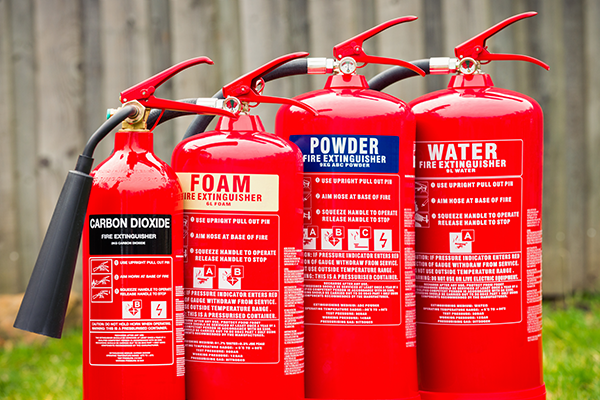
2. NFPA 10 – Standard for Portable Fire Extinguishers
NFPA 10 details requirements for fire extinguishers based on a structure’s industry and which of the 5 classes of fires it’s most likely to face. A portable fire extinguisher is a person’s first line of defense while waiting for emergency services to arrive. Business owners must ensure they supply the correct ones based on their facility’s fire ratings and hazards. This code also specifies requirements related to extinguisher maintenance, inspection, and documentation.
Business owners should know these vital things from NFPA 10:
- Class ABC fire extinguishers are recommended for most businesses
- Restaurants commonly need Class K extinguishers for grease fires
- Maintenance and inspections should occur on an annual basis
- Fire extinguishers expire and must be replaced every 10-12 years
- Train anyone expected to use an extinguisher in an emergency
3. NFPA 13 – Standard for the Installation of Sprinkler Systems
NFPA 13 discusses everything related to a structure’s sprinkler system, from how it’s designed to where it’s placed. Automatic water-based sprinklers are a crucial part of a building’s fire suppression measures, although other options are available for businesses with equipment susceptible to water damage. Based on a building’s layout and whether it’s a multistory structure, the code covers requirements for sprinkler head types, placement, and water supply.
Here are key lessons businesses should know about NFPA 13:
- Buildings are classified as having light, ordinary, or extra hazards
- Sprinkler head placement must avoid obstructions to work optimally
- Systems must be fueled by sufficient water supplies and flow rates
- Taller spaces may require systems with sprinkler heads in layers
- Sprinklers should be integrated with fire alarm systems

4. NFPA 25 – Standard for the Inspection, Testing, and Maintenance of Water-Based Fire Protection Systems
Once a structure’s sprinkler system is installed, business owners must be familiar with and follow NFPA 25 to comply with inspection deadlines, testing schedules, and maintenance requirements. Standpipes, fire pumps, tanks, and other water-based components must be examined and maintained regularly to ensure effectiveness. Thorough maintenance is key to keeping systems in good working order and avoiding issues, visible or otherwise.
These are some of NFPA 25’s many essential takeaways:
- Inspection frequency can vary based on system elements
- Keep documentation of any tests and inspections for reference
- Avoid common issues with obstructed and outdated devices
- Areas susceptible to low temperatures need reliable heat sources
- Inspection timeframes range from every day to every five years
5. NFPA 70 – National Electrical Code ®
NFPA 70, also known as the NEC, is the United States standard for electrical design, installation, and inspection requirements to safeguard people and properties from harm. While electricity is a key part of any business, it simultaneously poses a significant threat due to its unique fire hazards. This code covers the necessities for basic structures, exceptions for unique environments, and standards for renewable energy sources.
Business owners should consider these key messages from NFPA 70:
- Only licensed professionals should perform electrical work
- Wires and conductors must be color-coded for their capacities
- Special equipment like signs and machinery have unique standards
- Systems should be inspected during and after their installation
- Fire safety systems have their own subset of electrical requirements
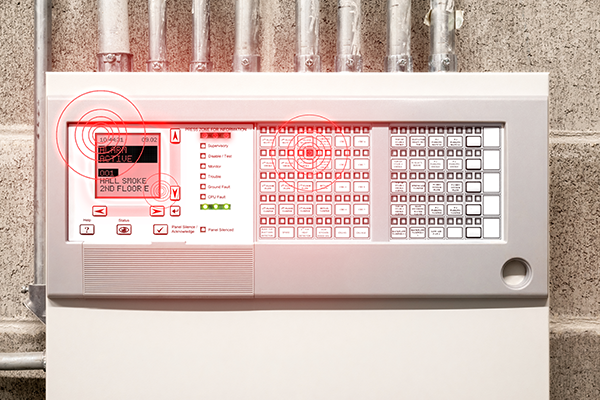
6. NFPA 72 – National Fire Alarm and Signaling Code ®
NFPA 72 standardizes fire detection, alarm signaling, and emergency communications. Alarm control panels, smoke detectors, manual pull stations, and everything in between are regulated from installation to maintenance to ensure systems are initiated in an emergency. This code applies to commercial and residential settings, and there are even provisions for mass alert systems ahead of natural disasters or crises.
Here are some of the details business owners should learn from NFPA 72:
- Different alarm system components must have distinct signals
- Fire alarms should be connected with other fire safety systems
- Inspections must be conducted by authorities with jurisdiction
- Building owners are responsible for ensuring system compliance
- All systems must have appropriate cybersecurity measures
7. NFPA 101 – Life Safety Code ®
NFPA 101 is one of the most widely implemented resources for protecting people through building construction and features from fire and other safety hazards. Crowd control measures and emergency exits play a critical role in ensuring a structure’s occupants can evacuate in a crisis. This code also addresses fundamental information on fire safety systems and building categorizations based on fire ratings.
Business owners should remember these details from NFPA 101:
- Regular and emergency exits must have proper signage and lighting
- Fire drills and emergency action plans help employees prepare
- Fire safety measures must be correlated to a structure’s fire rating
- Occupancy limits should be followed to avoid additional risks
- Buildings must have fire safety systems that promote accessibility
Let our service techs translate NFPA codes for you
With over 300 standards in active circulation, many of which apply to the country’s various fire codes, business owners face the challenge of ensuring their companies comply with any relevant requirements. For those who want or need help keeping their business in tip-top shape, the expert service techs at FSS Technologies can help. From understanding fire code requirements to evaluating whether your systems follow the proper guidelines, our team’s commercial fire services can help ensure your employees, customers, and overall livelihood are protected around the clock.
Explore Our Other Blogs
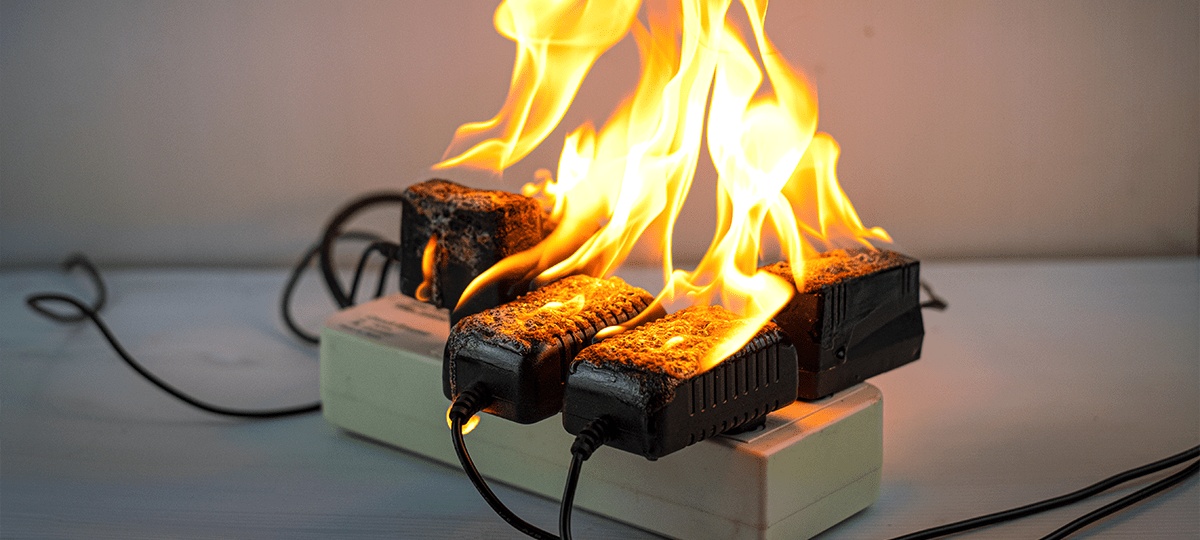
What Are the 5 Classes of Fires?
While it can be hard to tell the difference at first glance, different types of fires occur based on the materials that fuel them. Just as you wouldn’t try to put out a grease fire with water, specific ways to extinguish each fire class exist and depend on what sustains it. Some atypical classes of…
Big Name Home Security Gimmicks
We talk about choosing between a national home security company and a local company, DIY Security systems’ weaknesses, and video doorbells. Choosing a security system can be stressful and overwhelming, especially when you and your family’s security is at stake. So how do you choose a home security system? Do Your Homework It’s critical to do…
How Video Doorbells Work
A video doorbell is a system that allows you to see who is ringing your doorbell by way of a video connection. If your video doorbell has a two-way audio system, you also can talk to the person at the front door, whether you’re home or not. How you connect your system and how you…

Has My Home Security System Been Hacked?
With more DIY security systems than ever available with the touch of a button, families around the world are choosing to protect their homes with easy to install cameras and alarms. The expert team at FSS Technologies aims to help homeowners make the right choice for their families when selecting a home security system. A…

Smart Home Security & How to Implement
Home Security Paired with Home Automation Security vs. home automation is the friendliest rivalry around. Why? Because they play so well together. Security systems used to have a singular focus—keeping unwanted people out of a house. But as technology evolves, security equipment placement throughout the home for protection performs a dual purpose: Helping homeowners with…
Fire Safety for Multistory Buildings
While it can seem similar to homes or businesses, multistory properties have unique demands for fire safety. Whether your property includes a mid-rise condo and business building or multiple low-rise apartment locations, it requires additional care and consideration when evaluating the protection of inhabitants from fire hazards. If a fire breaks out in one…

How to Make Your First-Floor Apartment Safe
In business, getting in on the ground floor is great. You are part of a plan early on to gain an advantage. When it comes to apartment-dwelling, however, getting in on the ground floor is only an advantage in some respects. It’s easier for you and your pets to get in an out, it’s easier…
How Do Residential Fire Sprinklers Work?
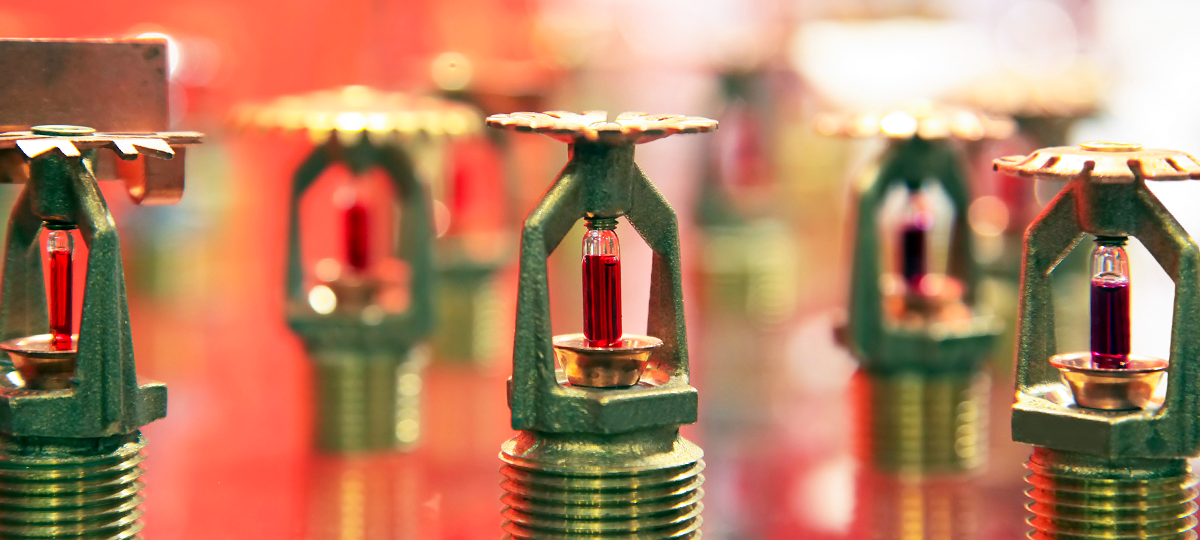
Residential units are essential pieces of many commercial and mixed-use developments. Whether you’re building townhomes, low-rise apartment complexes, or single-family dwellings, fire protection requirements extend beyond nearby commercial spaces. Builders and general contractors must understand how residential fire sprinkler systems work, how they differ from commercial systems, and which codes apply to different projects. While…

How Much Data Does a Wifi Security Camera Use?
Internet Speed Bandwidth Internet bandwidth is a significant issue nowadays. Everything is tapping into the internet— from our phones to our refrigerators. If you’re installing internet protocol (IP) security cameras, they will inevitably use some of the bandwidth from your network. The question is, how much? When you purchase home internet service, you typically get…

3 Ways Security Contracts Help You
Are Contracts Required with All Security Companies? No. Not all security companies require a contract, but that doesn’t necessarily mean a no-contract company is a better option. There are pros and cons to contracts. The key is to know what you are paying for in a contract and details about the reputation of the company….