How is a Fire Sprinkler System Designed?
While fire sprinkler systems seem the same at first glance, there’s no one-size-fits-all solution for all commercial properties. Depending on a structure’s needs and circumstances, fire sprinkler systems use different combinations of various components. The ideal design should accommodate the unique features of each industry, layout, and operation.
Whether you’re looking to install a fire protection system in a multi-tenant building or an industrial setting, different aspects of your operations and overall structure directly influence the kinds of systems you can use. Learn about different circumstances and needs that affect how a fire sprinkler system is designed and implemented.
What factors influence fire sprinkler system designs?
From kitchens to multistory office layouts, different commercial settings require tailored approaches for fire prevention, protection, and suppression. While exact fire sprinkler design elements differ case by case, there are several shared aspects across industries. Here are 7 factors that impact how a fire sprinkler system is designed and what options are available for each unique situation.
1. Building occupancy
Occupancy, meaning the maximum number of people inside a building at any given time, plays a significant role in how its sprinkler system is designed. Commercial properties with office spaces may need lighter coverage on each floor. Retail stores, on the other hand, may require broader systems with extra attention to storage or stock rooms. Event venues must account for thousands of people in one place, so these systems require higher water demand and specialized zoning.
2. Fire ratings
Fire ratings measure how long structural materials can withstand fire before failing, which influences sprinkler designs. Wooden buildings have higher combustibility, so sprinklers may need to activate faster and be placed closer together. Concrete structures with stronger fire resistance might not need the same density, but their sprinkler system designs must consider how quickly occupants can evacuate. Steel-framed warehouses can fail from prolonged heat exposure and often need deluge systems.
3. Fire hazards
The fire classes of hazards within a building directly impact sprinkler system configurations. The manufacturing industry requires systems with greater flow and rapid capabilities to address chemicals or combustible dust. Stores often need extra protection in storerooms where cardboard and textiles are kept, while main sales areas can rely on lighter coverage. In the restaurant industry, water-based sprinklers cannot be used for grease fires, so specialized suppression systems are required.
4. Structural layout
The size and layout of a building affect how sprinklers can be arranged. In warehouses with tall racks, stacked sprinklers are often needed to reach fire sources at various heights. Multistory buildings usually require zoning to cover different floors and standpipes or booster pumps to maintain water pressure. Even in more open layouts like retail stores, designs must account for wide floor plans and designated storage areas to ensure every space is adequately protected.
5. Water supply
A sprinkler system is only as effective as the availability, pressure, and reliability of the water supply behind it. Businesses and other commercial settings in urban areas can often rely on municipal water. High-rise residences and buildings may need additional pumps to maintain water pressure across multiple floors. Remote industrial facilities usually require on-site water storage or alternative fire suppression options to meet demands if local supplies are insufficient or inaccessible.
6. Codes and regulations
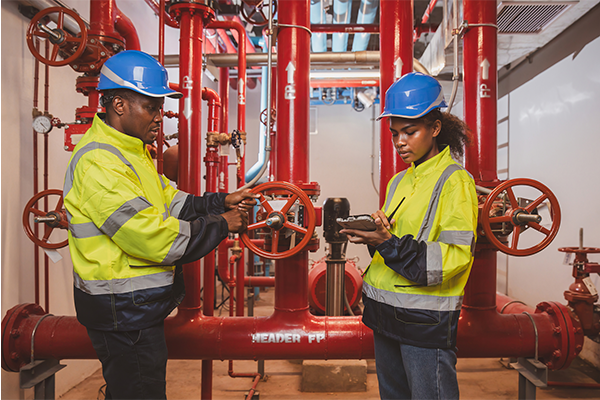
Sprinkler systems must comply with codes and standards set by organizations like the National Fire Protection Association (NFPA), such as NFPA 13 and NFPA 25. Additionally, local codes and insurance policies may set additional requirements. Schools or healthcare facilities typically face stricter life-safety rules than standard office buildings. Similarly, manufacturing plants must often comply with other NFPA codes depending on the materials they handle.
7. Environmental factors
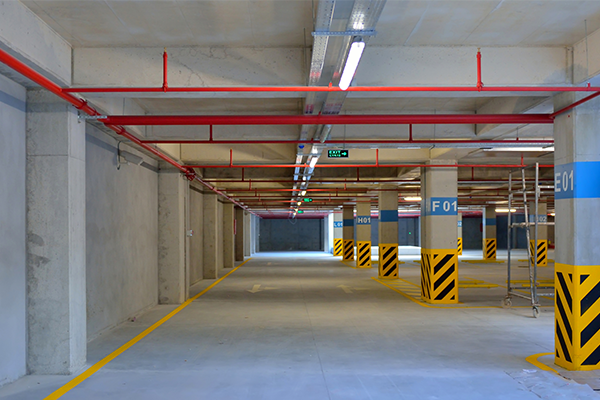
The climate and weather conditions in which a system operates dictate which type of system is most effective. Cold environments like loading docks, parking garages, and cold-storage warehouses may require dry-pipe or pre-action systems to prevent freezing. Businesses must also consider their area’s winter conditions to prepare for adequate fire safety. Kitchens and other hot facilities, on the other hand, need sprinkler heads rated for higher temperature levels to avoid accidental activation despite normal exterior temperatures.
Why choose FSS Technologies for commercial fire sprinkler solutions?
Every industry carries its own risk profile, from manufacturing plants handling flammable materials to healthcare facilities where occupant vulnerability is a priority. Additionally, sprinkler systems are only effective with regular maintenance and inspections. That’s why our expert team of NICET-certified service technicians blends technical knowledge with industry-specific insights to design, inspect, and maintain sprinkler systems that meet your code requirements and real-world needs.
Contact us today to learn how we can support your fire sprinkler system needs.
Explore Our Other Blogs
Fire Safety for Multistory Buildings
While it can seem similar to homes or businesses, multistory properties have unique demands for fire safety. Whether your property includes a mid-rise condo and business building or multiple low-rise apartment locations, it requires additional care and consideration when evaluating the protection of inhabitants from fire hazards. If a fire breaks out in one…

Smart Home Technology for Aging Adults
Alzheimer’s Awareness Around 75% of seniors want to stay in their homes as they age, according to the American Association of Retired Persons (AARP), even if they need day-to-day assistance or have ongoing health issues like early-stage Alzheimer’s or dementia. According to the Alzheimer’s Association, 5.8 million Americans are living with the disease, and by…
Can Video Doorbells Be Used in Apartments?
It is at the discretion of your building manager as to whether you can use a video doorbell for your apartment. There usually are two concerns that arise when it comes to video doorbell usage in a rented property: installation concerns and privacy concerns. Issues with Video Doorbells Installation Concerns Many video doorbell systems require…

Cons of DIY Home Security Systems
When considering getting a home security system, some people might assume they can set up a fully functioning system themselves. The reality is that DIY systems come with some significant drawbacks. Here are some of the things to consider before you decide to take on this project yourself. Not Professionally Installed The importance of having…
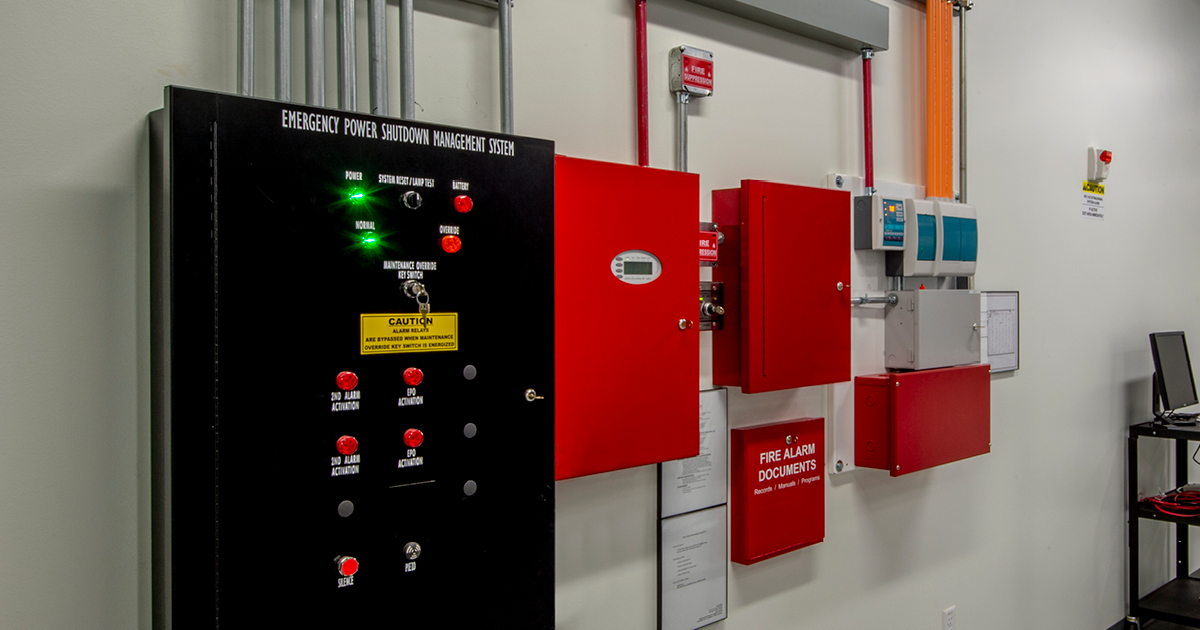
Addressable vs. Conventional Fire Alarms
When determining what type of fire alarm systems are best for your business, it boils down to your choice between a conventional and addressable alarm system. The combination of smoke, heat, and carbon monoxide detectors work together with your control panel to keep your business safe. Additionally, you will need to determine what kind of automatic…

Are You a Spectrum Customer Losing Service?
When Spectrum closed the doors on its home security system business in February 2020, many customers were left high and dry. The Spectrum Backstory Spectrum is a subsidiary of Charter Communications, the second-largest cable provider in the country offering service in 42 states. Charter inherited Spectrum in a 2016 merger with Time Warner Cable and Bright House…
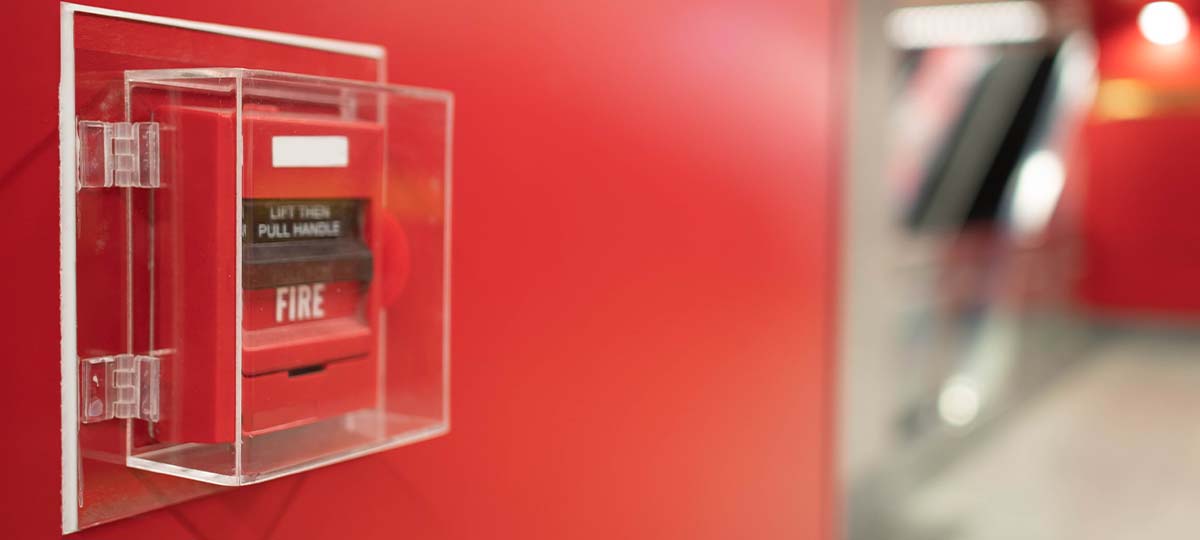
Testing Fire Alarm Call Points
Most large commercial-grade fire alarms today are addressable systems. Unlike conventional systems that use fire alarm zones, addressable fire alarm systems assign a unique “call point” to every device. Each one sends a digital signal to the main panel, creating a two-way line of communication that shows activations and status updates. An addressable panel can then identify…

Elements of a Business Security System
How can I secure my business? A business security system needs to protect people, property, and assets from theft, crime, and fire at all times of the day and night. The people walking in and out the doors of a business are not only its owners, but customers, employees, vendors, and suppliers who have varying…
The Only SimpliSafe Review You Need to Read
What is SimpliSafe? SimpliSafe is one of several do-it-yourself home security systems on the market. The challenge with any DIY home security system, in our opinion, comes down to the customer experience. SimpliSafe’s customer support offers minimal assistance to ensure you adequately install and troubleshoot your system. While they do provide an 800-telephone number, the…
DIY Security Systems
DIY home security systems have been on the market for years, offering homeowners the ability to order and install a simple-to-use system for their property. A DIY system often boasts cheap and easy security solutions for a home but are not the right fit for all homes. Cost-Benefits As with almost everything in life, cheaper isn’t…