How Do Fire Sprinkler Systems Work?
Fire sprinkler systems work by detecting heat from fires and releasing water to extinguish them. Different components work together in various configurations to boost a structure’s fire and life safety measures. Learn how a fire sprinkler system works, what your options are, and why it’s a necessary investment for your business.
What are the main parts of a sprinkler system?
Fire sprinkler systems are regulated by codes and standards from the National Fire Protection Association (NFPA). The specific codes that dictate requirements for the installation and maintenance of sprinkler systems are NFPA 13 and NFPA 25. While there are several options for what a system can use, these are some of the main components included for fire sprinklers.
Pipes
Fire-rated piping is installed in ceilings, overhead, or in walls to carry water to sprinkler heads. They’re laid out per design standards to fully cover protected areas based on the hazard levels in a building. Pipes and their joints are usually made of metals or heat-resistant plastic to ensure the entire system can still function in an active blaze.
Sprinkler heads
A sprinkler head acts like a stopper for the water stored in a system’s pipes. The main component that detects a fire by heat is a glass bulb or a fusible link. Once that element breaks or melts, water is released from the sprinkler head and bounces off a deflector plate to disperse. Escutcheons, also called trim plates, fill the gaps around sprinkler heads and prevent smoke or heat from passing the heat-sensitive component.
These are the four most common types of sprinkler heads:
- Pendent sprinkler heads hang from the ceiling and spray water in a domed or coned pattern. These heads are traditionally visible and more commonly used in standard commercial spaces.
- Upright sprinkler heads point upward and are often used when obstructions or other building elements prevent them from hanging. These are standard in manufacturing and industrial facilities.
- Sidewall sprinkler heads are installed along walls and spray water toward the center of a space. These heads are used in areas that are smaller or do not have pipes overhead or in the ceiling.
- Concealed sprinkler heads are recessed in walls or ceilings. They’re covered by a protective plate that melts at temperatures lower than the sprinkler’s heat element, enabling the head to drop and activate.
System risers
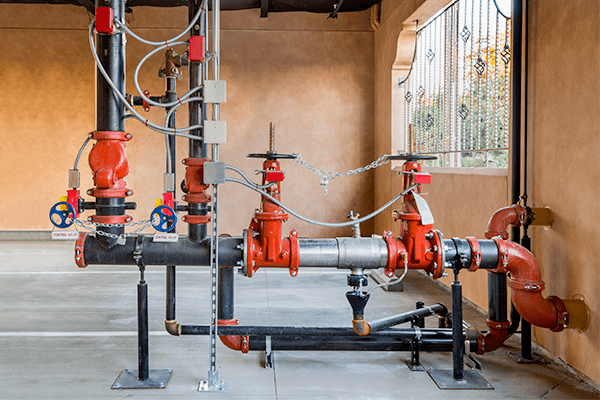
A fire sprinkler riser acts as a bridge to connect a system with a structure’s water supply. Risers are traditionally vertical pipes with valves and gauges that control and measure water flow and pressure. A fire sprinkler riser is often located in a dedicated room within a building to simplify maintenance and inspection processes.
What are the main styles of sprinkler systems?
NFPA 13 permits four types of sprinkler systems that each offer different benefits and drawbacks for various regions, industries, and price points. Depending on the needs of a structure, different types can be combined to provide optimal fire protection measures. Here’s more information on how each system works and where it’s commonly used.
1. Wet pipe
In a wet pipe layout, the entire system’s piping is filled with water constantly. If a sprinkler head’s heat detector activates, water will be released from that specific point and not from the other heads in that system. Wet pipe sprinkler systems are usually a more reliable, cost-effective option, but they’re best suited for regions and structures that won’t experience freezing temperatures.
2. Dry pipe
Dry and wet pipe systems are similar, but the main differentiator is the presence of water within the pipes. Dry pipe configurations use valves and pressurized air or nitrogen to keep water out of the system’s pipes. Once a sprinkler head is activated, the drop in pressure allows water to flow out of the system. These systems are best for structures and areas without temperature control, but they’re kept small to avoid flow delays.
3. Pre-action
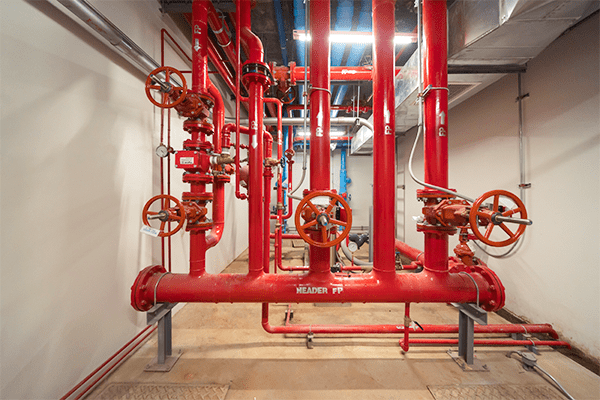
A pre-action system is a more complicated setup that can be non-interlock, single interlock, or double interlock, each of which requires specific triggers to run. These systems depend on heat or smoke detectors in addition to sprinkler heads, so an activated or broken sprinkler may or may not cause water to flow. Pre-action systems are best suited for businesses that want to avoid excessive water damage.
4. Deluge
A deluge system mimics a pre-action system in that it needs a detector to run. Detectors are typically configured to work with a valve to keep the system from filling. The main difference is that deluge systems use nozzles or open sprinklers, so a triggered system will release water from every opening. These sprinkler systems are ideal for structures with high hazard levels, such as power plants or chemical manufacturers.
How do sprinklers work within a fire alarm system?
Depending on the type of fire sprinkler system that’s in place, fire alarm integrations can be beneficial for a building’s inhabitants and first responders. A comprehensive commercial fire system can ensure that sprinklers aren’t activated from accidental damage, depending on the types of systems in place. Additionally, a triggered sprinkler can set off the alarm and notify monitoring services to seek emergency assistance.
FSS Technologies has your all-in-one solution
Understanding your options for sprinkler systems, heads, and configurations empowers you to make informed safety decisions. At FSS Technologies, we offer end-to-end fire sprinkler services that cover design, installation, inspection, and everything in between. Our NICET-certified team of service technicians is here to support you every step of the way, ensuring you achieve and maintain compliance standards and safety priorities with confidence. Contact us today to learn more and schedule a free consultation.
Explore Our Other Blogs
What is a Backflow Prevention Device?
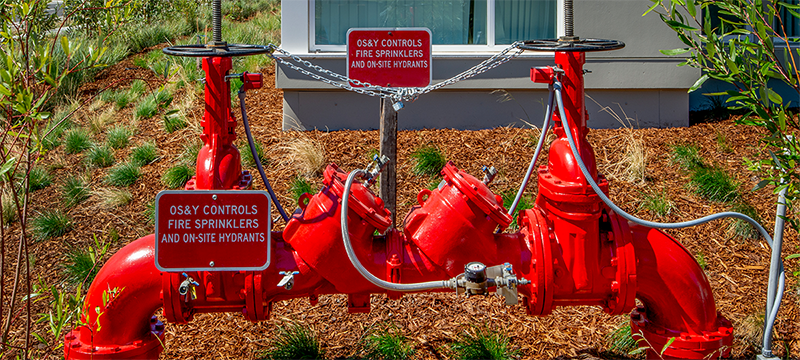
Backflow prevention devices aren’t the most visible part of a building’s fire sprinkler system, but they still play an important role at the water supply connection. If water ever reverses direction in the system’s piping, it can pose a contamination risk to the potable water system. That’s why many local water authorities require backflow prevention…

Can Video Surveillance Be Used In Court?
You should talk to a law enforcement professional in your area to know for sure what is admissible in your local court, but here are some general guidelines about criteria that law enforcement will take into consideration regarding your security camera video. Authenticity A digital watermark is undetectable to the human eye, but it can…

How Burglars Break In and Where to Secure Your Home
When a burglar considers your home as a potential target, here are some of the things he or she is looking for. Easy Access An intruder doesn’t want to get caught and needs to have an easy escape. There’s not a more easily accessible entry point at your home than an unlocked door, and most…

Why Fire System Inspections Matter
At FSS Technologies, we believe that safety isn’t a luxury—it’s a necessity. Our commercial fire protection services are designed to give your business peace of mind, knowing that your properties, people, and assets are secure and compliant with fire and life safety codes. We specialize in fire sprinkler systems, fire extinguishers, and backflow preventer inspections…

Do Smoke Detectors Call the Fire Department?
One of the most asked questions about fire alarm systems is whether smoke detectors call the fire department. The belief that a smoke detector or fire alarm will automatically activate the fire department or send a signal to local first responders is a common misunderstanding. While some systems may be integrated with monitoring services, that’s not always…
FAQs About Fire Alarm Inspections
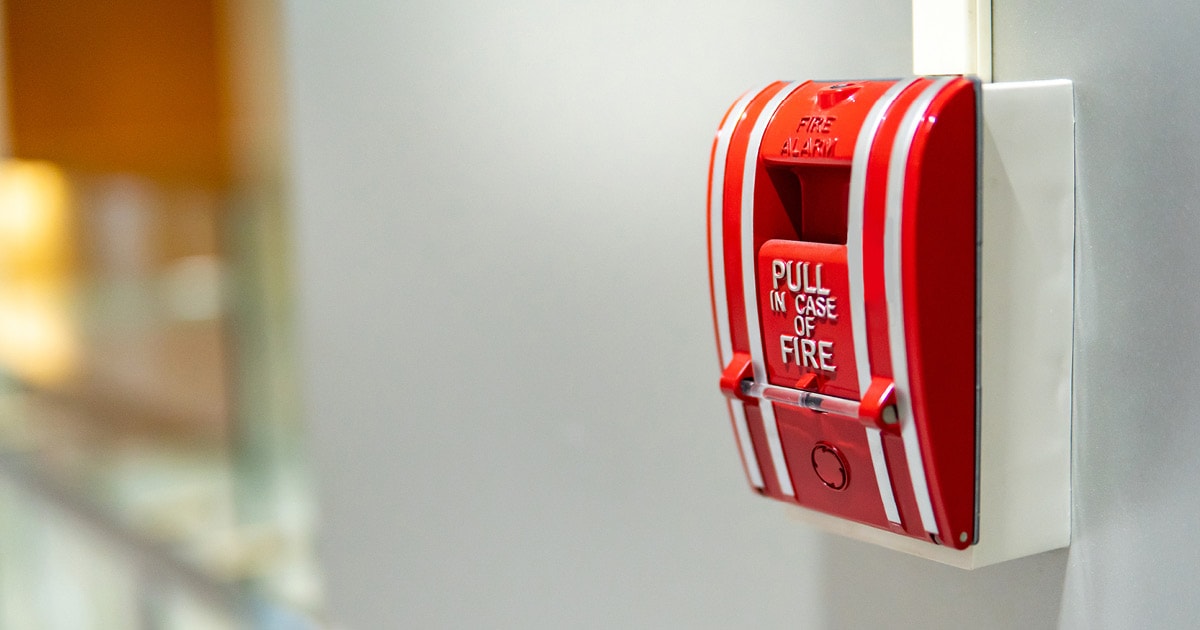
Fire alarm inspections are a critical part of protecting people, property, and business continuity. For commercial building owners, property managers, and facility teams, these inspections are not just a regulatory obligation—they are an essential safeguard that helps ensure fire alarm systems will function when they are needed most. Understanding how fire alarm inspections work, what…

Smart Home Security & How to Implement
Home Security Paired with Home Automation Security vs. home automation is the friendliest rivalry around. Why? Because they play so well together. Security systems used to have a singular focus—keeping unwanted people out of a house. But as technology evolves, security equipment placement throughout the home for protection performs a dual purpose: Helping homeowners with…

Smoke Detectors for the Hearing Impaired
What are Visual Fire Alarms? If a fire breaks out, occupants of a building may have as little as two minutes to get out before the fire becomes life-threatening. Fire alarms provide an early warning notification and alert people to evacuate, but what if you are deaf or hearing impaired? How do you know there…
Avigilon Alta: Leading Commercial Access Control
With the rise in popularity of hybrid workspaces and flexible scheduling, more business owners are turning to access control systems to secure their investments. Not only are access control systems the latest standard for commercial security, but FSS Technologies is a proud partner with Avigilon Alta, the leading access control system manufacturer. Why Avigilon Alta?…

How Do Wireless Doorbells Work?
A doorbell is a pretty self-explanatory tool—you press the button outside, and a chime goes off inside, alerting the homeowner that someone is at the front door. Like everything else, though, today’s technology has brought even the humble doorbell into the limelight as an indispensable tool for convenience and security. Pros and Cons of Wireless…