Wired vs. Wireless Security Cameras
Wired or Wireless?
When we talk about wired versus wireless in-home security, it has little to do with whether a piece of equipment has physical wires attached to it. The terms wired and wireless refer to the communication signal that is transmitted from one piece of security equipment to another.
For a security system to execute its programmed commands, such as sending an alert to your cell phone, all of its components must be able to communicate with one another as well as you.
Communication signals can be transmitted using an analog or digital format. They are then routed through a wired connection, like a telephone or cable line, or by a wireless connection, like a mobile phone or laptop. The latter uses radio waves to send the transmission.
When it comes to security cameras, there are pros and cons to each type of transmission method.
Analog vs. Digital
Both analog and digital signals are used to transmit audio and video information. Analog technology is considered old-school and technically works by translating data into electrical pulses of varying amplitude. Digital signals, on the other hand, are a translation of information into binary format (zero or one) where each bit is representative of two distinct amplitudes.
For security cameras, the difference between analog and digital cameras (also called IP cameras) is the format in which the video signal is delivered—either pulses or bits.
Analog cameras have been the industry standard for decades. They are reliable, easy to install and operate, and they can achieve clear high-resolution video images. The technology is older, but you can still have a wireless system. Analog cameras can transmit their analog video signals wirelessly or through wired connections. However, wireless connections tend to have more interference in the transmission signal using this method.
Digital or IP cameras are more commonly chosen today because digital cameras offer incredibly high resolution. A higher resolution allows the camera to perform functions like facial recognition, license plate recognition, and digitally zooming distances of more than 100 feet. Digital video cameras are also more compatible with wireless technology and can be better suited for remote video surveillance needs.
Where Do the Camera Signals Go?
Once your analog or digital camera starts rolling, it must do something with the video and audio signals it records. An analog camera sends the signals to a Digital Video Recorder (DVR). The DVR records, processes, and stores all the data the camera recorded. The analog camera must be connected to the DVR by a coaxial cable. Depending on the model you purchase, the DVR can take the recordings and transmit them to a monitor for immediate viewing. You can watch these on your TV screen or your computer through a wired or wireless connection. It can even stream the footage to your smartphone, tablet, or laptop.
A digital or IP camera has everything needed to record, process, and store the video or audio data built into the unit itself. This eliminates the need to physically connect it to a DVR unit . The data from this camera is sent to wherever you’d like to view it via an NVR (a Network Video Recorder), which is just a piece of software, not a physical unit. This software creates a network, so the components of your security system can communicate with one another and ultimately transmit the signals to wherever you’d like them to go.
Powering Your Security Camera
Even if you are using a digital or IP security camera, which doesn’t have to be connected to a physical DVR, you must still find a way to power the system. There are many security cameras advertised as “wireless” that still need to be plugged in. For the camera to work, the system requires a cable to be plugged into an electrical outlet. Why is the camera called wireless if it still needs a wire? This is because the word wireless refers to how the camera transmits its video and audio data signals instead of how it gets its power.
This is especially important for outside security cameras because you need to consider the distance between the wireless security camera and its power source.
There are battery-powered wireless security cameras available on the market as well, which would give you a truly “wire-free” solution. However, it’s essential to consider the battery life of these security solutions in your overall security plan.
Performance of a Wireless Security Camera
As you can see, you can have a “wireless” security system using either an analog or digital (IP) camera, although most consumers today will likely choose digital.
Deciding to purchase a digital security camera is just the beginning of many decisions you must make to get the performance you truly want from your wireless security system.
For example, let’s say you want to install a camera to keep watch on your backyard at night. Wireless cameras are usually not great at night in low-light areas, so if you don’t have adequate lighting in the area you want to view, your video will likely be dark.
Another issue to consider: Do you have the necessary Internet bandwidth to support a wireless security system? How Your Internet Speed Affects Your Security System Wireless video is only as good as the stream, and if your wireless camera is high resolution, you could experience significant slowdowns during the transmission.
As you can see, designing an effective security system is not always as easy as the commercials on television make it seem. If you are interested in talking to a professional security company, FSS Technologies offers several affordable options for cameras, including cloud storage, phone app viewing, etc. Call us for a free evaluation.
Explore Our Other Blogs

Ins and Outs of Contract vs No Contract Security Systems
Many people see signing a long-term contract with a reputable alarm company as a stressful experience. In truth, contracts are in place to benefit both the alarm company and the homeowner. Developing a relationship and signing a long-term commitment to a security company allows you to get to know a team and benefit from the peace of mind that…

How to Conduct a Physical Security Audit
Protecting your livelihood is at the top of every business owner’s mind, but how do you know if your business is truly protected? By performing a physical security audit, you can fully assess any threats that your business might be subject to and take the necessary steps to mitigate those threats. During a physical security audit, each aspect of the business and its security…
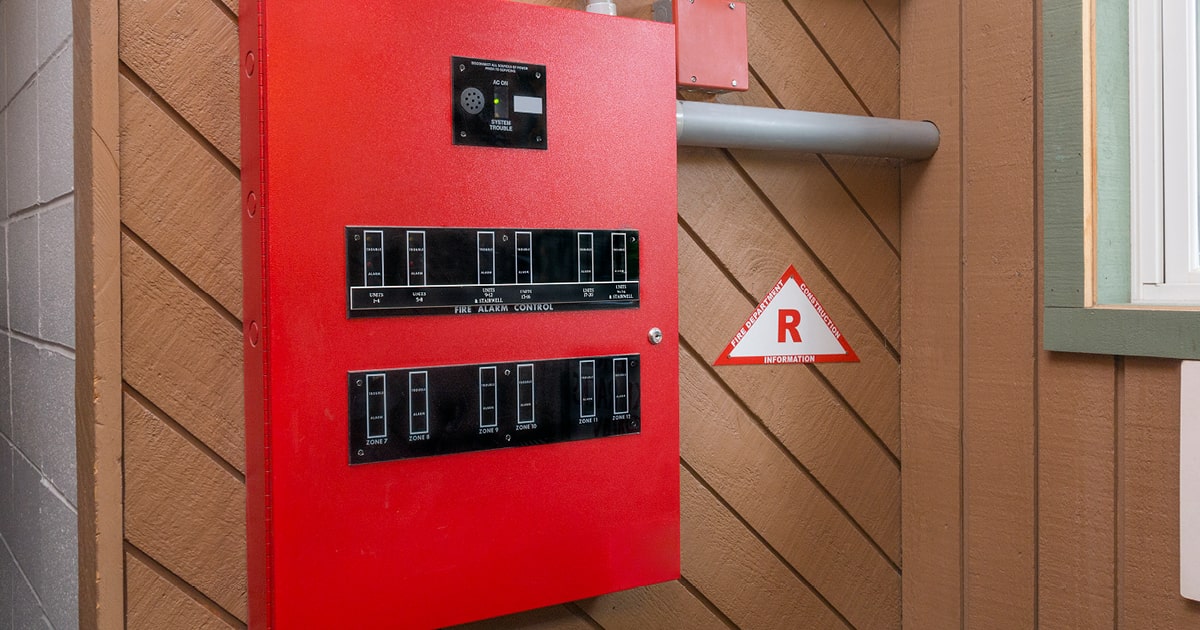
How Do Fire Alarm Control Panels Work
A fire alarm control panel is the brain of any commercial fire system. It constantly monitors connected devices, processes signals, and activates alarms when necessary. Understanding how a control panel works can help business owners, facility managers, and safety professionals recognize just how vital this piece of equipment is in protecting people and property. What…

Has Chicago’s CCTV System Helped Lower Crime Rates?
It’s been 19 years since the Chicago Police Department (CPD) kicked off its pilot of Police Observation Devices (PODs). Today, there’s a network of 50,000+ surveillance cameras in use all over the city. But Are They Working? This simple question has no simple answer. According to the Chicago Police Department, in some areas, narcotic related crimes…
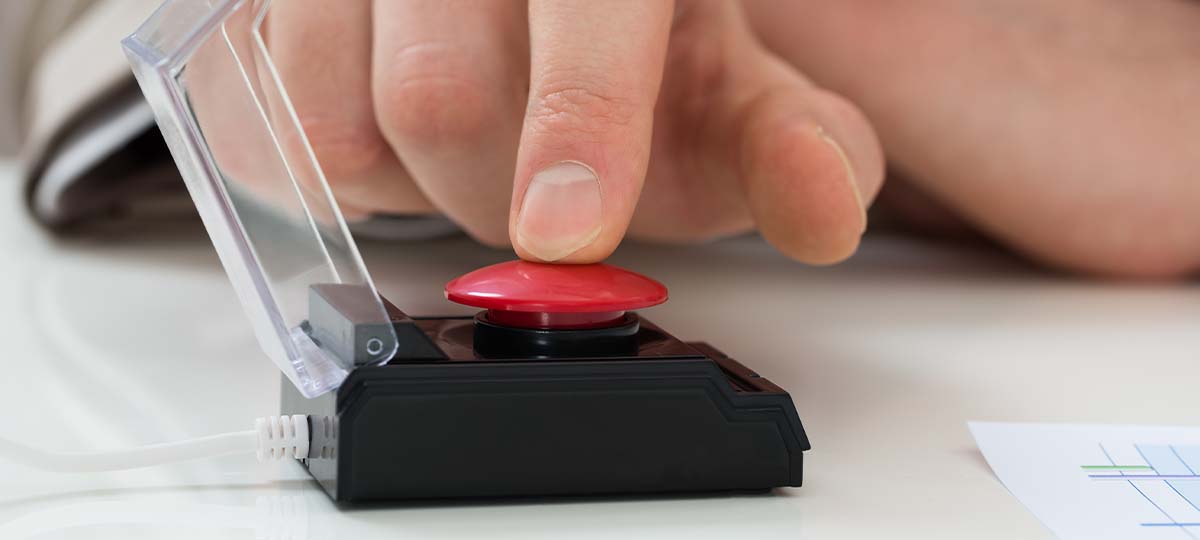
Should My Business Have a Panic Button?
What Exactly is a Panic Button? As the name implies, a panic button is a button or switch that an individual activates when there is an emergency that needs immediate attention. Panic buttons are often hidden from plain sight so they can be activated subtly or in secret by the correct individuals. How Does a…
How Fast Can Fire Spread?
What Is Fire? Fire is the result of a chemical reaction called oxidation. Oxidation is the combination of oxygen with another substance. In the case of a fire, the oxidation happens so quickly that light, heat, and sound are released. A fire needs oxygen, heat and fuel to burn. These factors are frequently referred to…
What Does a Commercial Fire System Include?
Fire safety is critical for all businesses, but the components within commercial fire systems vary significantly between industries and functions. Fires can stem from common causes that affect any commercial property and sources unique to specific fields, so fire systems must address every threat using detection, prevention, protection, and suppression. With many options available for…
Big Name Home Security Gimmicks
We talk about choosing between a national home security company and a local company, DIY Security systems’ weaknesses, and video doorbells. Choosing a security system can be stressful and overwhelming, especially when you and your family’s security is at stake. So how do you choose a home security system? Do Your Homework It’s critical to do…

Lowe’s Iris Line Goes Under
Many consumers are seeing red with the recent news that big-box retailer Lowe’s is shutting down service to its Iris smart home platform. Lowe’s launched its Iris cloud service in 2012 so it could sell its own smart home products to the public. Customers with an Iris smart hub, the heart of the network, could…
FAQs About Fire Alarm Inspections
Fire alarm inspections are a critical part of protecting people, property, and business continuity. For commercial building owners, property managers, and facility teams, these inspections are not just a regulatory obligation—they are an essential safeguard that helps ensure fire alarm systems will function when they are needed most. Understanding how fire alarm inspections work, what…