Where Should Fire Alarm Pull Stations Be Located?
While they generally go unnoticed until a moment of need, fire alarm pull stations are an integral part of a business or large residential building’s commercial fire system.
What is a fire alarm pull station?
As opposed to a smoke detector or sensor, human intervention activates a manual pull station and is the catalyst for setting off a fire alarm. These stations are utilized when someone identifies fire or smoke in a building, and the alarm has yet to go off.
A manual pull station is essential to any fire safety system because it provides a hands-on way for occupants to trigger an alarm if the smoke or heat detectors malfunction. This requirement is also part of NFPA 101, which is one of many NFPA codes and commercial fire safety standards regulated by local authorities having jurisdiction.
What’s the difference between single- and dual-action?
There are two common types of pull stations, which include single action and dual action. A single-action pull station is the simple version, where all one needs to do is pull down on the lever. A dual-action pull station means that someone needs to take two actions to sound the alarm. In some cases, that means opening a box or breaking glass around the handle before someone can access it.
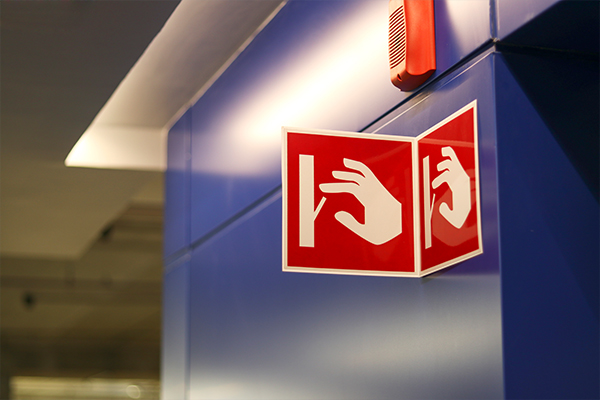
While a single-action pull station is more straightforward, there’s an introduced risk that a child or someone playing a practical joke can easily access the equipment. A dual-action system is more likely to prevent an accidental activation.
Where should I install pull stations?
The location of your fire alarm pull stations will depend on the design and occupancy of your building. While most buildings require at least one pull station, many buildings will need multiple across different floors and areas to meet standards set in NFPA 72, National Fire Alarm and Signaling Code.
Generally, fire alarm pull stations must be located within 200 ft of each other and 60 inches from exits. If your building has long hallways and a lot of exits, you are likely going to need a lot of fire alarm pull stations. A fire alarm pull station also needs to be placed between 42 and 48 inches from the floor with no surrounding obstructions, keeping it accessible to anyone.
How do I get started?
Business and building owners can get started with fire alarm pull station installations as they arrange their overall fire system installation. Working with the team of expert service technicians at FSS Technologies allows you to leave the details and the legal requirements of your building’s fire alarm system to us.
If you have any questions or want to set up a consultation, contact us today!
Explore Our Other Blogs

5 Common Fire Safety Violations
For business owners, maintaining a commercial fire safety system is crucial for day-to-day protection. Ensuring your system and its components are in order is especially important when your business’ fire inspection occurs each year. Even if you do everything you can to prepare for your next fire inspection, you may only realize you missed something…
How Fast Can Fire Spread?
What Is Fire? Fire is the result of a chemical reaction called oxidation. Oxidation is the combination of oxygen with another substance. In the case of a fire, the oxidation happens so quickly that light, heat, and sound are released. A fire needs oxygen, heat and fuel to burn. These factors are frequently referred to…

How Commercial Security Monitoring Benefits Your Business During Quarantine
Instating work from home policies to protect your employees and help to stop the potential spread of COVID-19 is one step that organizations are taking to keep their company safe. But, with all your employees at home, how can you protect the other assets that make up your business? Regardless of the type of company…

Why Cheaper Isn’t Better When It Comes to Security
What is DIY Security? The development of home security technology using wireless transmission connections and battery power has made it possible for DIY options to enter the home security market. One of the biggest misconceptions about DIY home security is that it is so easy that a person with absolutely zero background on audiovisual equipment…
What Does a Commercial Fire System Include?
Fire safety is critical for all businesses, but the components within commercial fire systems vary significantly between industries and functions. Fires can stem from common causes that affect any commercial property and sources unique to specific fields, so fire systems must address every threat using detection, prevention, protection, and suppression. With many options available for…
What are the Components of a Security System?
Security systems can vary widely in size and scale: from simple home alarms and small business surveillance systems to commercial-grade intrusion and detection systems. One system could even be comprised of enterprise-level networks that stretch across multiple locations. Understanding the essential components of a security system is the best way to start your search for…

Smoke Detectors for the Hearing Impaired
What are Visual Fire Alarms? If a fire breaks out, occupants of a building may have as little as two minutes to get out before the fire becomes life-threatening. Fire alarms provide an early warning notification and alert people to evacuate, but what if you are deaf or hearing impaired? How do you know there…

The Cost of Alarm Monitoring vs. the Cost of a Break-In
Property crime in the United States is costly. According to the FBI’s Uniform Crime Reporting (UCR) program, property crimes in 2018 resulted in an estimated $16.4 billion of losses. The Cost of Crime Larceny-theft is the most common of all property crimes, accounting for 73.4 percent. Larceny-theft is defined as the unlawful taking, carry, leading,…
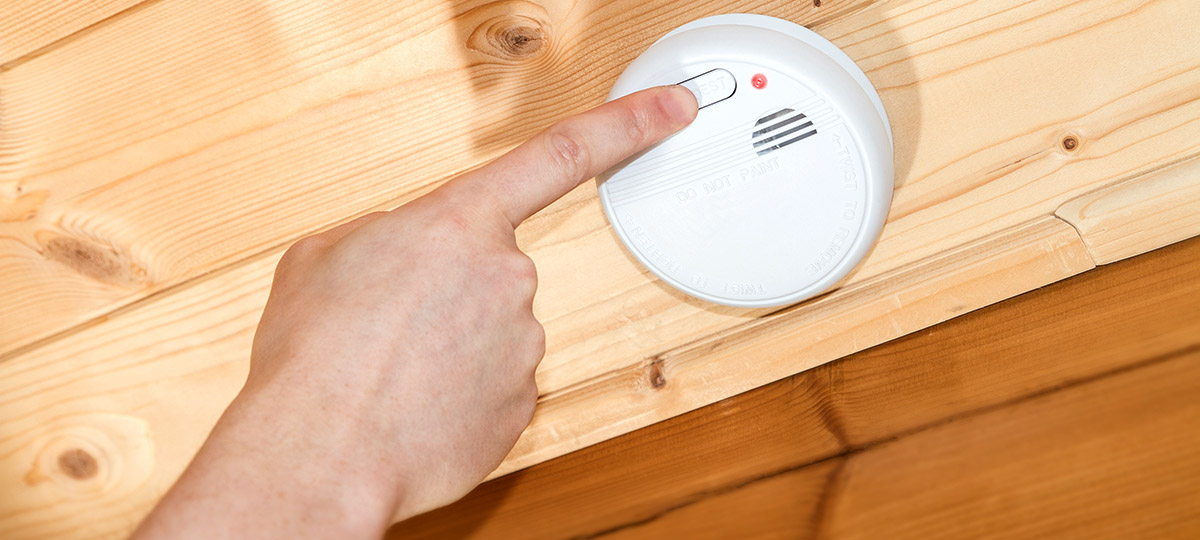
How Often Should You Check Your Smoke Detectors?
Fire Alarm Testing Whether your fire alarm is protecting your home or a commercial facility, regular testing of your fire alarm system is critical to ensure it is working correctly. This test guarantees that everyone occupying the home or office understands what to do when the fire alarm sounds, gives you a chance to check…

How Do Wireless Doorbells Work?
A doorbell is a pretty self-explanatory tool—you press the button outside, and a chime goes off inside, alerting the homeowner that someone is at the front door. Like everything else, though, today’s technology has brought even the humble doorbell into the limelight as an indispensable tool for convenience and security. Pros and Cons of Wireless…