How Often Should You Inspect Your Fire Alarm System?
Everyone dreads the day when fire alarm systems are being tested because they are often loud and annoying. However, the importance of making sure your fire alarms are working properly outweighs the small distraction of lights and noise. Putting off a fire alarm inspection can be both risky and negligent for business owners as it puts both employees and property at risk.
Moreover, putting off inspections and testing may put you into contempt of your local regulations. It is your responsibility to make sure your fire alarms are in proper functioning order in your home, and that applies to your business as well.
New Equipment or Updates
The original test to check any new equipment in your business is referred to as Initial Acceptance Testing in NFPA 72, 14.4.1.1, and there are Reacceptance Tests outlined in NFPA 72, 14.4.1.2.
These tests will help you to make sure that your new equipment and systems are working. Even new equipment can experience issues or be set up improperly. When updates are made, you will need to double-check that all your equipment continues to communicate correctly. Problems can arise with updates if your equipment is old and not supported on new systems.
Visual Checks
At FSS Technologies, we recommend you do routine visual system checks monthly to ensure that your smoke detectors are functioning, emergency doors are clear from obstructions, and your alarm system notifications are working. These tests can be done quickly and outside working hours, so they do not interrupt your team’s work.
These visual checks include looking for obstructions in front of your doors, obvious cracks or issues with lights or equipment. You should also make sure that none of the warning system lights are on for any of your control panels or equipment.
Quarterly Inspections
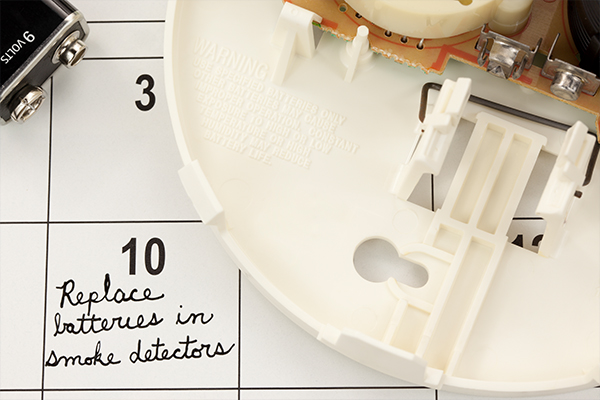
You should be doing a thorough inspection of your entire fire alarm system every quarter. These quarterly tests should include cleaning the dust that can accumulate around the sensors of the smoke detectors. Dust and debris on smoke detectors can make them less efficient at detecting a fire.
These detailed inspections should include a visual check of your batteries for corrosion and review the connections or any wires that might be out of place.
During your thorough check, you should refer to NFPA 72, Chapter 14, for more details. Your local jurisdiction might have different requirements that you need to adhere to as well.
Testing
Functional testing is essential as well because visual checks cannot show you any technical problems with your system. This kind of testing is done by professionals to ensure that your fire system and detection devices are working. A professional team will test everything from your system’s alarms to the connection between your system and the monitoring system (if you have one).
FSS Technologies conducts fire alarm testing to ensure that your equipment is functioning and meets the appropriate standards for your local jurisdiction. Our experts will check each piece of the warning system, from sound alarms to strobe lights, as well as the different elements of the control panel. For FSS Technologies customers, we will be able to seamlessly communicate with our monitoring team to ensure the systems are synced.
If you want to get started with a new fire monitoring system or are looking for a professional inspector, contact your local security pros at FSS Technologies.
Explore Our Other Blogs
Fire Safety Procedures for the Workplace
The bad news—a fire breaks out in your workplace. The good news—you are ready because you have done your homework and prepared for the possibility of an emergency. Emergency Action Plan The Occupational Safety and Health Administration (OSHA) requires most employers to have an emergency action plan for various scenarios, including fires in the workplace. There are…

Vacation-Proof Your Home
When planning a vacation, you are almost always considering what clothes to pack or booking a place to stay. But while you are away, you need to make sure that your home will be safe from burglars or thieves who may target an empty home. Before you pack up and leave for your vacation, there…
How Do Residential Fire Sprinklers Work?
Residential units are essential pieces of many commercial and mixed-use developments. Whether you’re building townhomes, low-rise apartment complexes, or single-family dwellings, fire protection requirements extend beyond nearby commercial spaces. Builders and general contractors must understand how residential fire sprinkler systems work, how they differ from commercial systems, and which codes apply to different projects. While…
Lowe’s Iris Line Goes Under
Many consumers are seeing red with the recent news that big-box retailer Lowe’s is shutting down service to its Iris smart home platform. Lowe’s launched its Iris cloud service in 2012 so it could sell its own smart home products to the public. Customers with an Iris smart hub, the heart of the network, could…

Local Alarm System vs. National Home Security Company
When looking for home security, you may find yourself stuck between local alarm companies and national home security. Find out why more and more people are turning to local home security companies. Knowledge One of the biggest advantages of using a local company is that they will be familiar with local safety concerns, any jurisdiction regulations…

8 Home Security Tips
With more than 45 years of experience in the home and business security industry, here are our top eight tips for discouraging intruders and burglars from targeting your home. 1. Create the illusion that someone is at your house. If you are going to be gone for an extended time, leave a light or TV…
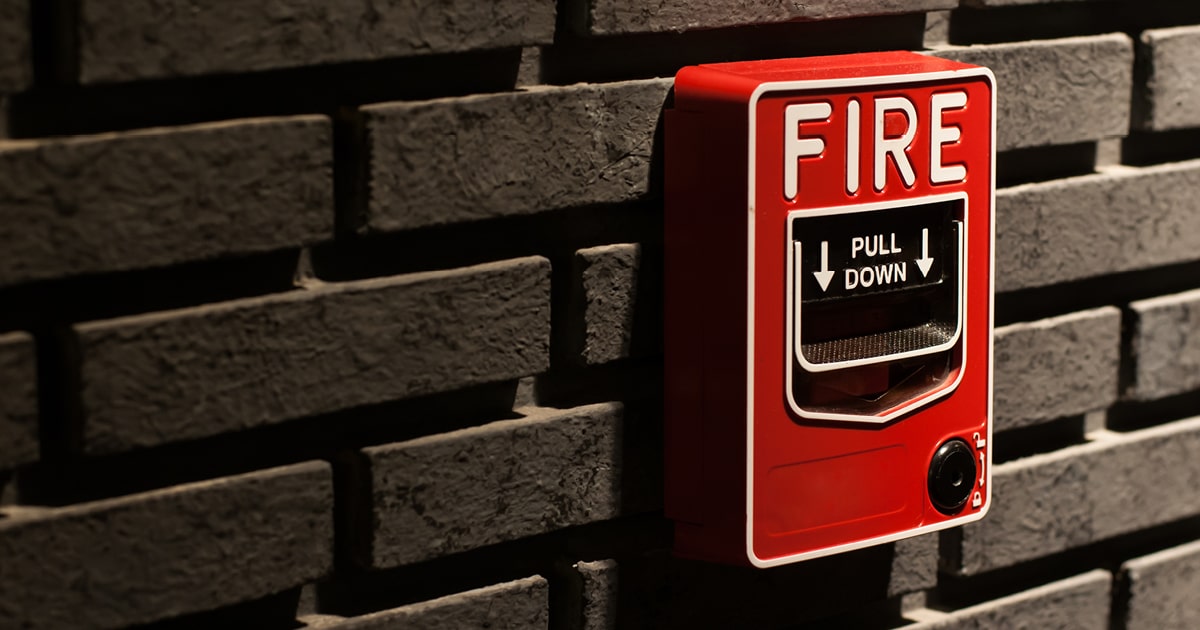
Why Night Staff Should Have Fire Alarm Training
In the years that I traveled as a Sales Representative, I experienced many times when a fire alarm would go off throughout the night. As the hotel guests evacuated, I often found that the night staff didn’t know what to do. In almost every case, it was an accidental alarm, and in many cases, night…

Cons of DIY Home Security Systems
When considering getting a home security system, some people might assume they can set up a fully functioning system themselves. The reality is that DIY systems come with some significant drawbacks. Here are some of the things to consider before you decide to take on this project yourself. Not Professionally Installed The importance of having…
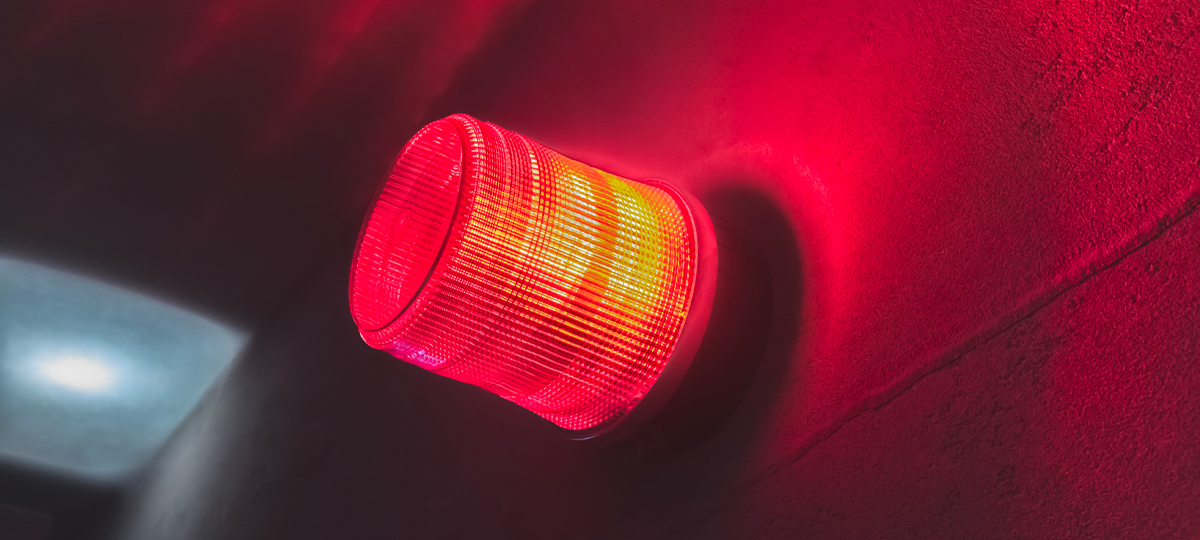
Why Emergency and Exit Lighting Matter
Emergency lighting and exit lighting are vital components of life safety systems. They’re a standard part of any commercial structure and not as noticeable on a normal day. When power fails or a disaster happens, these lights guide people to safety, helping prevent panic and ensuring clear evacuation routes for everyone in a building. Whether…

What are the Different Kinds of Security Video Storage?
Security Video Recordings Storage How much storage does a security camera have? It is a seemingly simple question, with a surprisingly complicated answer. Security and surveillance cameras can use a variety of storage types, each with their own advantages and disadvantages. To choose the right security video storage for you, you will need to consider…