How Security Cameras Work at Night
Security Camera Night Vision
Light is crucial for a camera to work. Without light, the camera can’t see anything, so how do security cameras work at night?
Infrared radiation (IR), or infrared light, is a type of electromagnetic radiation that is invisible to human eyes. It is essentially energy, a heat, that all objects emanate. An infrared camera detects this infrared energy and converts it to an electronic signal, which is processed to produce an image.
An infrared camera also has infrared light-emitting diode (LED) lights positioned on the outside of the camera, around the lens. These act as a spotlight to help illuminate the images you want the camera to capture. The more LEDs the camera has built-in, the further away the camera can see. For example, High-quality IR cameras can illuminate objects up to 150 feet away. If your security camera is only meant to monitor your front porch, you don’t need a camera with that field of distance.
Infrared cameras generally record a black and white image to ensure optimal low-light image quality. Some infrared cameras are advertised as color night vision, but you can only use the color feature if there is ambient light in the area, such as porch or streetlight.
Another option to make sure your security cameras work at night is to turn on the lights.
Motion detector lights also detect infrared waves from moving objects. When the motion detector senses an object moving across its field of view, it can electronically turn on the lights, allowing your security camera to see what’s going on.
Motion detector lighting for external use can include floodlights or decorative lighting. Floodlights usually have a field of view of up to 240 degrees and a distance range that can extend to 70 feet or more. Decorative motion-detector lighting includes lights that come on around areas like decks, patios, stairways, or swimming pools.
Many security cameras also work in low-light conditions, frequently called day/night cameras. These cameras have image intensifiers that increase the intensity of available light. Unlike infrared cameras, day/night cameras don’t have LED lights, so there must be ambient light in the area.
In photography, lux is used as a measure of the intensity of light that hits or passes through a surface, as perceived by the human eye.
Security cameras have a lux rating, so the lower the lux number, the less light is needed to capture an image. Cameras with a lux rating of 0.000 can capture an image with no external light required.
Most security cameras must work in diverse lighting conditions so they can protect a home or office during the day and night. How the security camera adapts to changes in lighting conditions is one of the most important components in choosing a good security camera.
For example, cameras pointed at a front door must deal with changing lighting situations. When the door is opened, sunlight pours in, flooding the camera’s sensor. Without the ability to adapt to this lighting change, the camera will show a bright scene outside the doorway, but the person entering the house will be a dark blur.
High Dynamic Range (HDR) cameras have special light-handling features that handle changes in lighting situations like these.
Need help choosing the right security cameras for your building? At FSS, we stay on top of industry trends and provide the most reliable security surveillance equipment on the market. Contact us for a free consultation.
Explore Our Other Blogs

What are the Different Kinds of Security Video Storage?
Security Video Recordings Storage How much storage does a security camera have? It is a seemingly simple question, with a surprisingly complicated answer. Security and surveillance cameras can use a variety of storage types, each with their own advantages and disadvantages. To choose the right security video storage for you, you will need to consider…
Has Chicago’s CCTV System Helped Lower Crime Rates?
It’s been 19 years since the Chicago Police Department (CPD) kicked off its pilot of Police Observation Devices (PODs). Today, there’s a network of 50,000+ surveillance cameras in use all over the city. But Are They Working? This simple question has no simple answer. According to the Chicago Police Department, in some areas, narcotic related crimes…
ADT Home Security Settlement
ADT home security is facing a class-action lawsuit. The plaintiffs allege that ADT failed to disclose wireless sensors’ vulnerability to evasion and jamming. Why should you care? Although this settlement is for ADT, this is a vulnerability all wireless security systems face. Let’s talk about wireless technology for a second. All home Wi-Fi networks are…
Business Fire Alarm Installation Guide
A fire alarm system is part of the business security system that keeps your business, property, and employees safe. A fire can become life-threatening in two minutes and can engulf a building within five minutes. Your business could go up in flames in a matter of moments without the proper equipment and detection systems in place to protect everything…

The Cost of Alarm Monitoring vs. the Cost of a Break-In
Property crime in the United States is costly. According to the FBI’s Uniform Crime Reporting (UCR) program, property crimes in 2018 resulted in an estimated $16.4 billion of losses. The Cost of Crime Larceny-theft is the most common of all property crimes, accounting for 73.4 percent. Larceny-theft is defined as the unlawful taking, carry, leading,…

Items Burglars Want Most
Burglars move quickly. Because they tend to spend as little as ten minutes inside a home or business, several big-ticket items tend to fall prey to thieves. While some items on our list come to mind instantly, some may be more subtle. Outside of installing a security system, taking extra steps to secure your items…
NFPA Standards for Commercial Fire Protection
Fire protection is highly regulated and technically complex. Commercial fires cause billions in property damage each year and pose serious risks to life, property, and legal liability. The National Fire Protection Association (NFPA) establishes standards to ensure businesses implement proper systems to prevent these outcomes. As fire protection technology evolves, so do the NFPA’s requirements….

5 Ways Your DIY Security System is Failing You
In the digital age, DIY projects are the rage in all things, including home security. People turn to DIY home security because it seems easy and can save you a few bucks. Unfortunately, you really do get what you pay for if you choose a DIY security system. Whether you are a homeowner, a business owner, or…
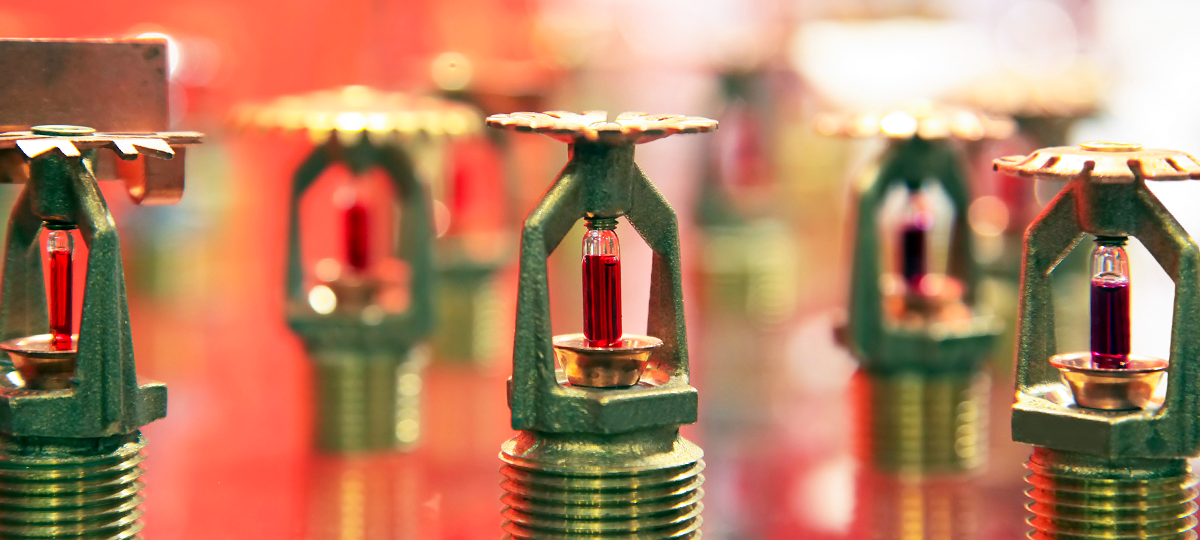
How Do Residential Fire Sprinklers Work?
Residential units are essential pieces of many commercial and mixed-use developments. Whether you’re building townhomes, low-rise apartment complexes, or single-family dwellings, fire protection requirements extend beyond nearby commercial spaces. Builders and general contractors must understand how residential fire sprinkler systems work, how they differ from commercial systems, and which codes apply to different projects. While…
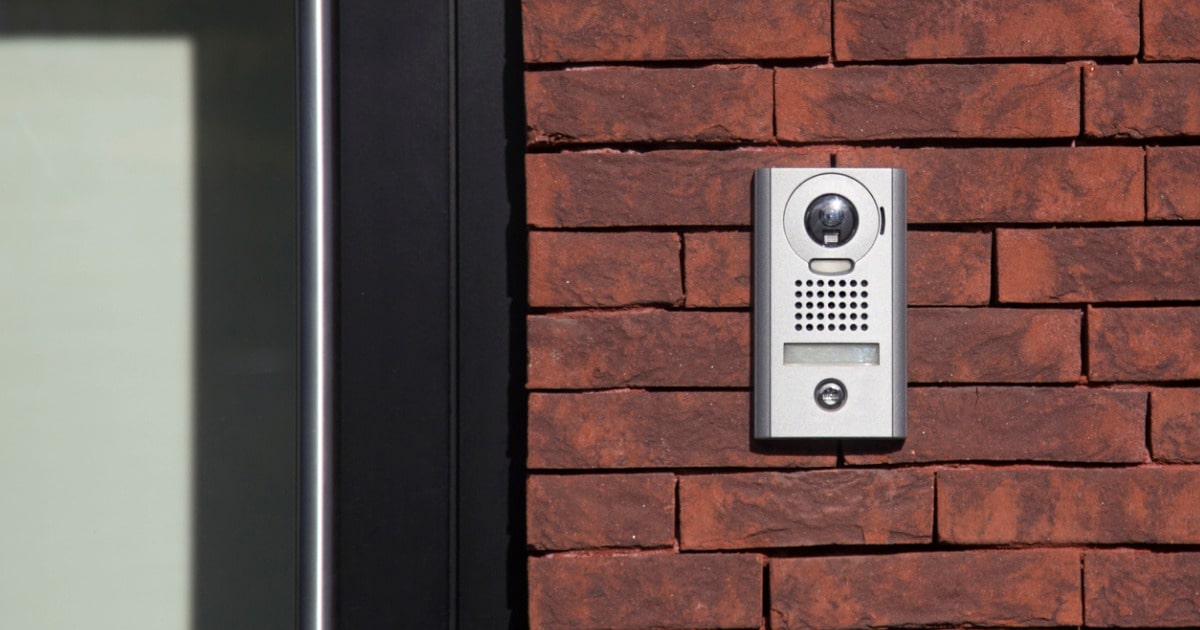
How Video Doorbells Work
A video doorbell is a system that allows you to see who is ringing your doorbell by way of a video connection. If your video doorbell has a two-way audio system, you also can talk to the person at the front door, whether you’re home or not. How you connect your system and how you…