Addressable vs. Conventional Fire Alarms
When determining what type of fire alarm systems are best for your business, it boils down to your choice between a conventional and addressable alarm system. The combination of smoke, heat, and carbon monoxide detectors work together with your control panel to keep your business safe. Additionally, you will need to determine what kind of automatic and manual fire alarms you want to be installed.
While the installation for different systems may vary, the type of system you require will be in part described by the NFPA standards and the Authority Having Jurisdiction in your area.
Conventional Fire Alarm Systems
A conventional alarm system has numerous devices on a single pair of wires and may cover up to 20,000 square feet per zone. Typically, conventional systems are used for small facilities with few devices. Because there may be numerous devices on a single pair of wires, when an alarm is activated, there is no indication of which device was initiated at the panel. In order to determine which device was initiated you will have to inspect each device. Conventional systems are typically no longer acceptable by Authorities Having Jurisdictions.
Addressable Fire Alarm Systems
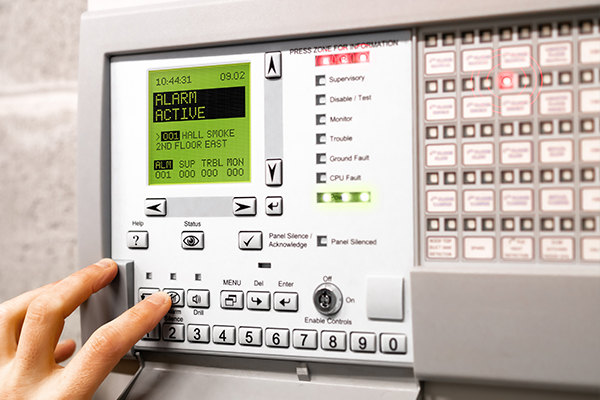
In contrast, an addressable system connects all devices using a loop, a single pair of wires for as many as 250 devices. Each device on the loop has an address as well as a description which is usually the location. When an alarm is activated, the individual address and description is displayed on the panel’s LCD. These systems are the most popular system across the industry today, and most jurisdictions require addressable systems.
These are better suited for large and complex systems because the loop technology means simplified wiring. Additionally, an addressable system offers more protection against false alarms because there are options that allow you to set up warning triggers. These warnings can help you identify potential false alarms and solve the issue before evacuating a large building.
Cost Differences
Conventional alarm systems are less expensive because the equipment required is simple, but they are more time consuming and labor intensive to install because of the multiple connections to the control panel.
An addressable system requires less wire and is a more simplified connection to the control panel itself. Addressable systems include more updated technology and advanced options, which would make it more expensive.
How to Choose
Generally, the size and type of your business will determine whether an addressable or conventional system is best suited to your building.
Addressable systems offer significantly advanced technology. New smoke detectors can tell the difference between a smoke particle and steam. Troubleshooting is significantly reduced on addressable systems due to advanced software and programming built into the system. In general, addressable systems are the best option for most facilities. If you still aren’t sure, our experts at FSS Technologies can assess your needs and help you determine what equipment and devices your building will require.
Once you have determined and installed your fire alarm system, you will be able to create fire safety procedures for your workplace and begin training your employees to be familiar with the system.
Give the fire alarm pros at FSS Technologies a call to learn more about our security and fire alarm system installation options. We are happy to answer any questions you may have.
Explore Our Other Blogs
Holiday Safety Tips for Homes and Businesses
With the holiday season right around the corner, burglars are on the lookout for unguarded homes or businesses to prey on. Unlike the Grinch, holiday robbers don’t often have a heart that grows three sizes, making it more important than ever to protect your valuables and your loved ones. Our security experts have come up…

Where Should Security Cameras Be Installed in a Business?
Security camera placement in a business needs to be strategically decided based on several important factors. Areas that store valuables, have high foot traffic, and enable access to your building should be some of the essential locations. Learn more about what kinds of security cameras you can use and where they should be installed in…

Tips to Prevent Your Security System from Being Hacked
The Risky Business of Ring’s Vulnerable Security and other DIY security systems can leave your home as a potential target for hackers or thieves. When you are investing in a security system, you are hoping for peace of mind, and you are trusting this technology with your safety and property. Have I Been Hacked? A hacker may…
3 Types of Security Lights
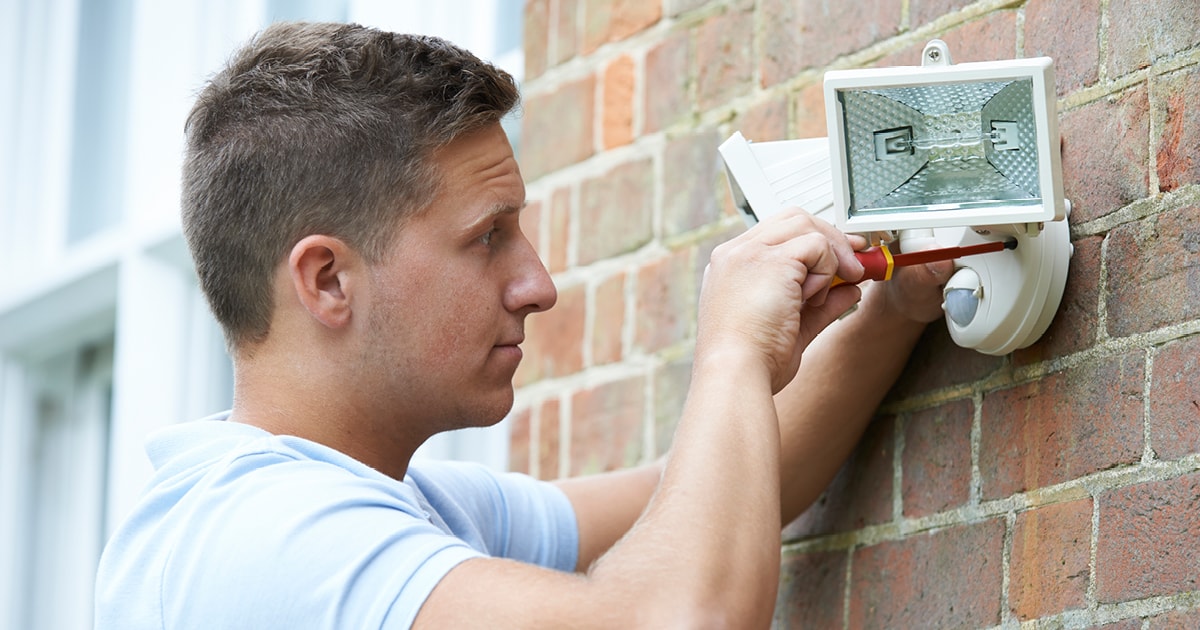
Your security system is only useful if you can see what is going on when you can’t be there. This also means that when it gets dark, your cameras need to be able to capture the image clearly. To do this past dusk will require that you set up security lighting. Additionally, check out the…

What the POTS Line Phase-Out Means for Life Safety Systems
When businesses hear about the POTS line phase-out, they often think only of desk phones. In reality, traditional copper phone lines have supported a much wider range of building systems, including fire alarms, security systems, elevator phones, and more. As carriers continue moving away from copper infrastructure, those connections may become more expensive, less reliable,…

How Your Internet Speed Affects Your Security System
Internet speed is a precious commodity in today’s connected homes. Internet speed is responsible for how quickly or slowly data moves from the internet to the application on your computer. Things like your mobile phone, television, computer, gaming system, and even appliances use the internet. And your home security system probably does too. The average…
Reasons to Choose a Local Security Company
Whether you’re considering investing in a home or commercial security system or switching providers, you may be weighing local and national companies. Which companies can you trust? Is there a difference in service between your options? Does a larger company necessarily mean better service? There are pros and cons to both sizes of company, but…

Hard-Wired vs Wireless Security Systems
The chicken or the egg. Not asking which came first in this case, just which one you like better. In the world of security systems, which came first between wired and wireless was answered long ago. But the question of which is better remains. Let’s start with a quick overview of how each of these…

The Cost of Alarm Monitoring vs. the Cost of a Break-In
Property crime in the United States is costly. According to the FBI’s Uniform Crime Reporting (UCR) program, property crimes in 2018 resulted in an estimated $16.4 billion of losses. The Cost of Crime Larceny-theft is the most common of all property crimes, accounting for 73.4 percent. Larceny-theft is defined as the unlawful taking, carry, leading,…
What is a Smart Home and How Can Home Automation Solutions Help You?
Home automation solutions are no longer the ideas of science fiction. These intelligent home systems can save you hundreds of dollars through energy conservation, and they can provide state-of-the-art security to protect your home and the loved ones inside of it. What is A Smart Home? A smart home is equipped with lighting, heating, and…