Why Fire Alarm Monitoring is Essential for Your Business
We’ve talked about the National Fire Protection Association (NFPA) in previous blogs and how it is essential to understand and obey their standards when installing, testing, and maintaining fire alarm systems.
Fire Alarm Monitoring is the Law
Your business might need to include monitoring as part of its fire safety system due to NFPA 101® . NFPA 101 is the Life Safety Code®, which addresses building occupant safety. Based on your local municipality, monitoring as part of your fire safety system may be the law.
Central monitoring is a code requirement for some types of businesses, depending on the type of business and the number of occupants in the building.
With central monitoring, a central monitoring station watches for fire alarm signals coming from your fire safety system. If the central monitoring station receives an alarm signal, a professional operator initiates a response based on predetermined protocols. Protocols may include immediately notifying the fire department or contacting the building owner.
Underwriters Laboratories (UL) also notes that central monitoring facilities have codes and standards they must adhere to per NFPA 72®, the National Fire Alarm and Signaling Code®. These codes include things such as how the monitoring facility receives power and how it transmits alarm signals to local authorities.
These regulations are in place to ensure workplace safety and to prevent property or economic loss.
Self-Monitoring Fire Alarm Systems
However, monitoring fire alarm systems are not required for all businesses.
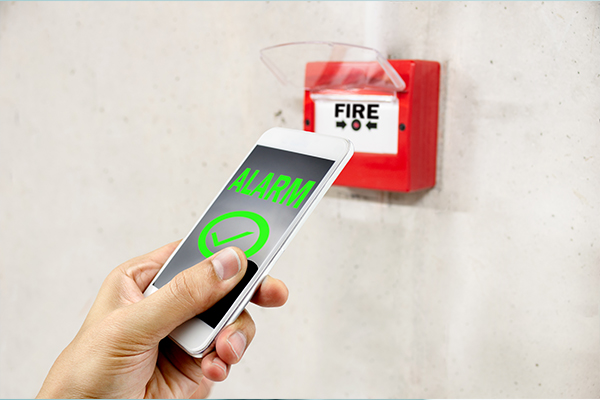
Self-monitoring is just what it sounds like—monitoring your fire alarm system yourself. For example, if a smoke detector in your building goes off, the system notifies you by phone, text, or email. The main upside of self-monitoring is that there are no additional fees after installation.
The downside of self-monitoring fire alarm systems is that they usually require Wi-Fi and won’t work without power or internet connection, both of which are often impacted by fires.
Since most self-monitored systems today are connected to mobile apps, having your phone with a good signal is essential to make sure you get any alerts your self-monitored system may send.
Professional Fire Alarm Monitoring
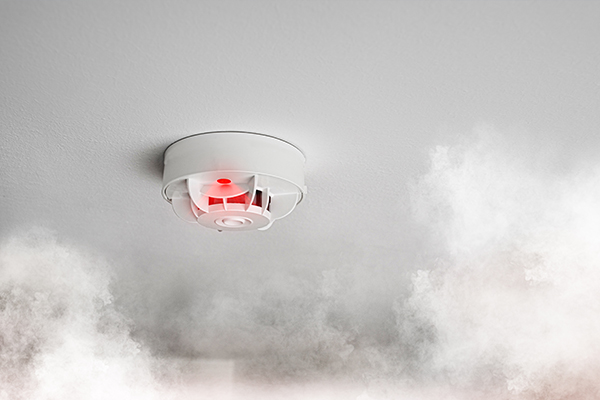
On the other hand, nearly all professional fire alarm systems also offer monitoring services. While there is a fee for this service and usually requires a contract, you won’t have to worry about being available 24/7. With some systems, the alarms can even transmit specific floor plans to the fire department, so first responders know exactly where to go when they arrive on the scene.
When you think about how fast a fire can spread, the monthly monitoring fee for your fire alarm system becomes a small price to pay for your peace of mind and to keep your employees, property, and business safe.
To learn more about monitored fire alarm systems, speak with one of our security experts today.
Explore Our Other Blogs

The Safest Neighborhoods in Detroit
Low-Crime Neighborhoods of Detroit SafeWise released its rankings of Michigan’s 20 Safest Cities of 2021. On the 2021 list, 9 of the 20 cities are considered suburbs of Detroit. They include: Gross Ile Township #3 Oakland Township #4 Huntington Woods #9 South Lyon #13 Addison Township #16 Highland Township #17 Rochester #18 Berkley #19 Brandon Township…

Carbon Monoxide Detector Basics
What is a Carbon Monoxide Detector? Carbon monoxide (CO) is a colorless, odorless, and tasteless gas or liquid that is poisonous to humans. Detectors are designed to identify carbon monoxide leaks and warn those in your home or business. This advanced warning can save lives as it allows you to get outside as fast as…

Ring Doorbell Cons
Video doorbells are a great addition to home security, and Ring is the popular choice for many who prefer wireless security. Although there are some pros to the Ring Doorbell, it has some cons you should be aware of before purchasing from Ring. Monthly Fee for Storage The cheapest Ring doorbell is $59.99, with the…

Business Security Camera Placement Guide
Security camera placement in a business needs to be strategically decided based on several important factors. Areas that store valuables, have high foot traffic, and enable access to your building should be some of the essential locations. Learn more about what kinds of security cameras you can use and where they should be installed in…

Can You Get in Trouble for Breaking into Your Own House?
Is it legal for you to break into your own house? Yes, you can get in trouble for breaking into your own house—at least temporarily. If the police are notified that there is a break-in at a residence, either by a neighbor or a security alarm, they can detain or arrest you until you can…
How Often Should You Check Your Smoke Detectors?
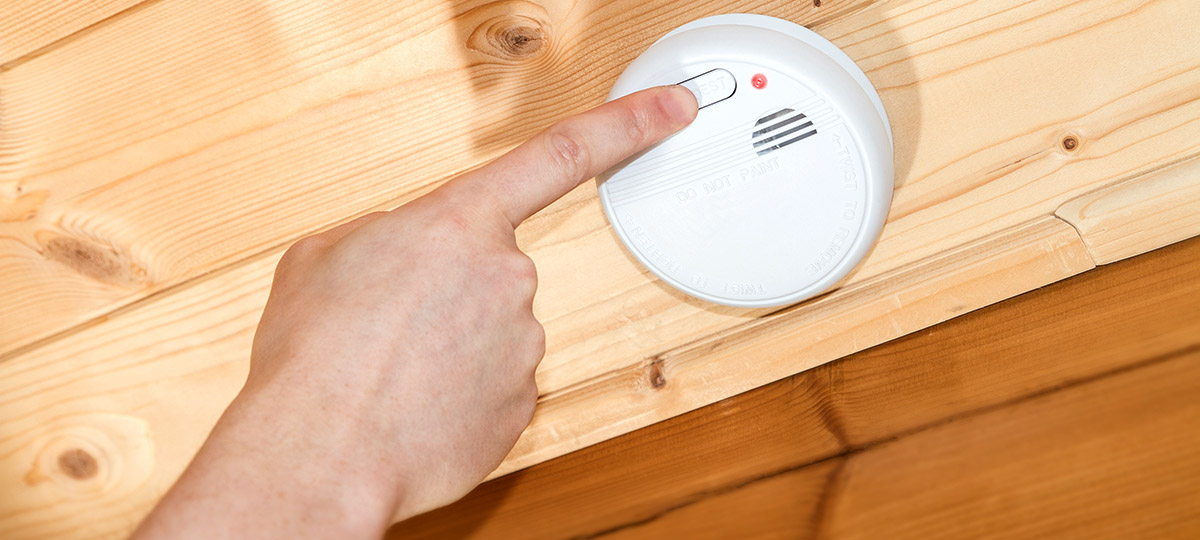
Fire Alarm Testing Whether your fire alarm is protecting your home or a commercial facility, regular testing of your fire alarm system is critical to ensure it is working correctly. This test guarantees that everyone occupying the home or office understands what to do when the fire alarm sounds, gives you a chance to check…

Smart Home Security & How to Implement
Home Security Paired with Home Automation Security vs. home automation is the friendliest rivalry around. Why? Because they play so well together. Security systems used to have a singular focus—keeping unwanted people out of a house. But as technology evolves, security equipment placement throughout the home for protection performs a dual purpose: Helping homeowners with…

Smart Home Technology for Aging Adults
Alzheimer’s Awareness Around 75% of seniors want to stay in their homes as they age, according to the American Association of Retired Persons (AARP), even if they need day-to-day assistance or have ongoing health issues like early-stage Alzheimer’s or dementia. According to the Alzheimer’s Association, 5.8 million Americans are living with the disease, and by…
How Savance Workplace Can Work for You
Savance Workplace is one of the nation’s leaders in workforce management solutions, offering tools that help declutter your company’s processes and optimize your productivity. With a wide variety of fully customizable products branded for your business, Savance Workplace can help your organization take its efficiency to the next level. As a trusted partner of Savance…
Smart Homes: How Automation Helps
Home automation solutions are no longer the ideas of science fiction. These intelligent home systems can save you hundreds of dollars through energy conservation, and they can provide state-of-the-art security to protect your home and the loved ones inside of it. What is A Smart Home? A smart home is equipped with lighting, heating, and…